If you’ve started looking for a magnesium supplement, you’ve probably realised there’s more than one type. Now you’re reading labels, comparing magnesium glycinate vs citrate, and wondering which magnesium is best.
Different forms of magnesium are often chosen for different reasons. Understanding the differences can help you decide which option best fits your routine.
Why different types of magnesium matter
All magnesium supplements provide magnesium, but the mineral has to be attached to something else to help your body absorb and use it. That’s why you’ll see terms like magnesium glycinate, magnesium bisglycinate, magnesium citrate and magnesium oxide on supplements.
The form doesn’t change what magnesium does in your body, but it does change how the magnesium is delivered and why people might choose that form.
Whatever type of magnesium supplement you use, magnesium contributes to:
- Normal muscle function
- Normal nervous system function
- Normal psychological function
- The reduction of tiredness and fatigue
- Normal energy-yielding metabolism
What is magnesium glycinate?
Magnesium glycinate is magnesium bound to the amino acid glycine. It’s one of the most popular forms of magnesium used as part of evening routines or sleep-focused supplement stacks.
It’s not a sleeping tablet and it won’t knock you out, but it’s often chosen by people who want magnesium as part of a wind-down routine.
What is magnesium bisglycinate?
Magnesium bisglycinate sounds like magnesium glycinate, and it can be confusing. Simply put, magnesium bisglycinate is magnesium attached to two glycine molecules.
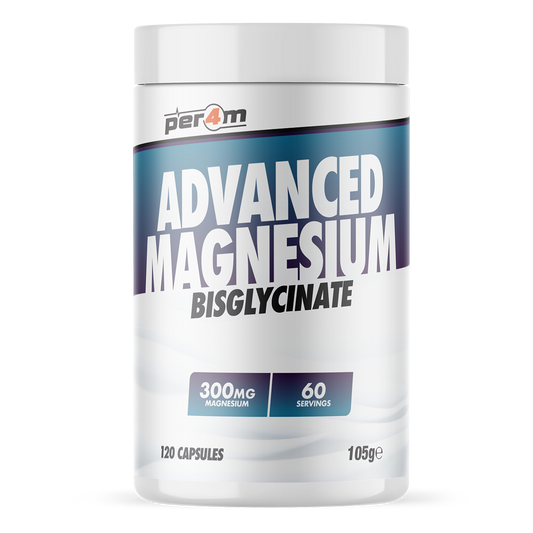
Why is this relevant? It’s the form you’ll often find in premium magnesium supplements. For example, Per4m Advanced Magnesium uses magnesium bisglycinate and provides 300mg of elemental magnesium per daily serving.
Magnesium glycinate vs bisglycinate

People often search for magnesium glycinate benefits, but many good supplements use magnesium bisglycinate. In practice, the terms are often used interchangeably because they refer to the same family of magnesium compounds.
If you’re comparing magnesium glycinate vs bisglycinate, you’re usually looking at the same category of magnesium rather than two completely different ingredients.
What is magnesium citrate?
Magnesium citrate is another popular magnesium form and is often found in effervescent, or fizzy, magnesium products, hydration products and digestive-health products.
In terms of magnesium citrate benefits, it has a different relationship with digestion and is often used as a general magnesium source.
What is the difference between magnesium glycinate and citrate?
When comparing magnesium citrate vs glycinate for digestion, or considering which magnesium is best for recovery, the difference isn’t what magnesium does. It’s more about how the supplement fits your goals. Here’s a simple overview.
Magnesium glycinate or bisglycinate is often chosen for:
- Evening routines
- Daily magnesium supplementation
- Sleep routines
- People looking for a well-tolerated option
Magnesium citrate is often chosen for:
- General magnesium supplementation
- Digestive-focused reasons
What is a magnesium oxide supplement?
This magnesium chat hasn’t finished yet. Magnesium oxide is another common form of magnesium you’ll see in supplements. It’s an inexpensive ingredient and contains a relatively high amount of magnesium by weight.
But when people look for the best magnesium for sleep or magnesium for recovery, they often want a good-quality form that will be tolerated well for daily use. That’s why you’ll more often find magnesium bisglycinate in higher-end daily magnesium products.

Which magnesium is best for sleep and evening routines?
Magnesium isn’t a cure for poor sleep, but when people look at which magnesium supplement to choose before bed, the answer is usually glycinate or bisglycinate.
When you pair magnesium glycinate or bisglycinate with good habits like a consistent bedtime, a cool, dark bedroom, reduced screen time and managed caffeine intake, magnesium bisglycinate can be a useful part of your evening routine.
Which magnesium is best for active people and recovery?
For people who train regularly, the magnesium conversation changes slightly. Active people often look at magnesium because it’s a mineral that contributes to normal muscle function, the reduction of tiredness and fatigue, normal energy-yielding metabolism and normal nervous system function.
That doesn’t mean magnesium directly eliminates muscle soreness or guarantees faster recovery. But it does support several essential physical processes that matter when you’re training consistently. That’s why magnesium bisglycinate is often popular with active people looking for a straightforward daily magnesium supplement.
When zinc and magnesium capsules may make more sense
Sometimes magnesium isn’t the only nutrient people want to include in their general wellness routine. Some people simply prefer an all-in-one approach to ticking several boxes.
This is where magnesium and zinc capsules come into the conversation. The combination is popular with people who train because it provides several nutrients in a single supplement.
Zinc contributes to the maintenance of normal testosterone levels in the blood, while magnesium contributes to normal muscle function and the reduction of tiredness and fatigue. The right choice comes down to your routine, diet, lifestyle and what you’re trying to achieve.
Choosing the right magnesium supplement
If you started off confused about magnesium glycinate vs citrate, hopefully things feel clearer now.
Both forms provide magnesium, but for people looking for a daily supplement that fits around sleep, recovery and general wellbeing, magnesium bisglycinate is the form most often recommended.
Per4m Advanced Magnesium provides 300mg of elemental magnesium from magnesium bisglycinate in a convenient daily serving. It’s a straightforward option for people looking to support normal muscle function, nervous system function and the reduction of tiredness as part of their daily routine.
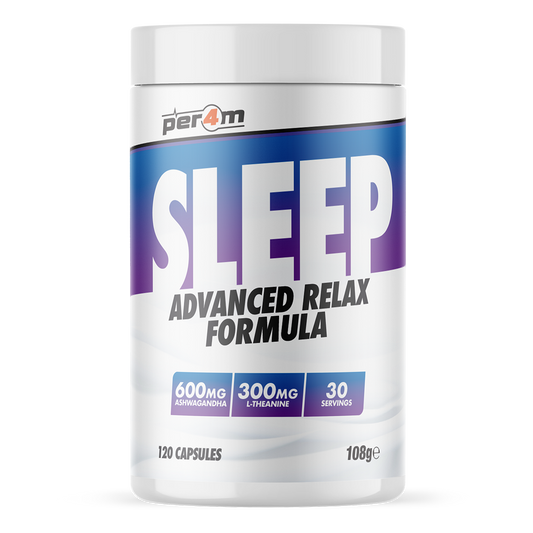
If you’re building a broader evening routine, take a look at our Sleep & Stress range to explore different products that support healthy sleep habits and recovery routines.