Looking for an omega-3 supplement isn’t as simple as which fish oil to buy. There’s also the choice between krill oil vs fish oil. They’re not quite the same thing, so how should you choose which to use?
Krill oil isn’t automatically superior to fish oil if you’re looking for a source of omega 3 for EPA and DHA. Its main benefit is in what it also contains: phospholipids and naturally-occurring astaxanthin. So the question is: is krill oil worth the extra money? Let’s get into what is krill oil compared to fish oil, and why you might choose one over the other.
In this guide:
Why does krill oil cost more than fish oil
Krill oil tends to have a higher price point than fish oil, but that’s not just because krill oil contains better omega 3. The price reflects the fact that it’s a different marine oil with EPA and DHA, phospholipids, and naturally-occurring astaxanthin.
Krill oil is a different marine oil, with EPA and DHA carried partly in phospholipids, as well as naturally-occurring astaxanthin. It’s also usually in a lower total oil dose than fish oil, which helps explain why comparing just the mg can be misleading.
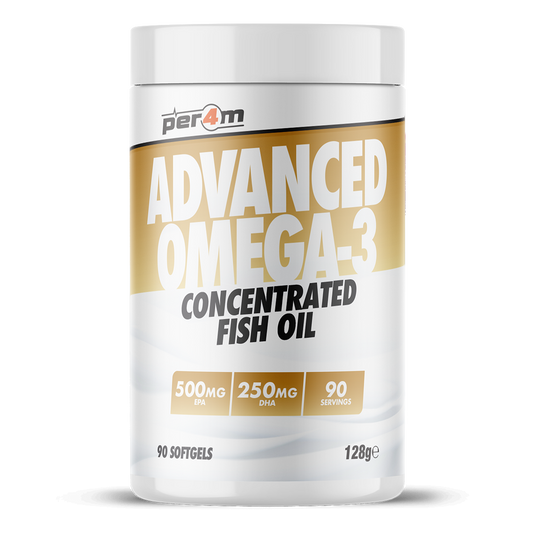
As an example, our krill oil gives you 400mg phospholipids plus 200 mcg astaxanthin and 120mg EPA and 80mg DHA per dose, in a smaller dose format. Our fish oil is a more concentrated source of EPA/DHA per dose, with 500mg EPA and 250mg DHA per softgel.
Per4m Krill Oil
- 120mg EPA per serving
- 80mg DHA per serving
- 400mg phospholipids
- 200mcg naturally-occurring astaxanthin
- 2 softgels per serving
Per4m Advanced Omega-3
- 500mg EPA per softgel
- 250mg DHA per softgel
- More concentrated EPA/DHA dose
- 1 softgel per serving
Phospholipid vs triglyceride: absorption of omega-3
Fish oil commonly contains EPA/DHA in triglyceride forms. Krill oil has a substantial portion of its EPA/DHA bound to phospholipids, which are important structural components of cell membranes.
Knowing this, is krill oil better absorbed than fish oil? The science suggests that phospholipid-bound omega-3 may influence bioavailability, but the evidence isn’t definitive. Some human studies have found higher short-term availability with krill oil, including this crossover trial where krill oil had better EPA/DHA incorporation than fish oil.
But a newer (2025) comprehensive review adds an important caveat to the phospholipids discussion, finding that any differences in acute (short-term) absorption don’t necessarily translate to meaningful long-term differences.

What is astaxanthin and where does it come from?
The interesting thing to know about krill is that it’s not just a source of phospholipid omega-3, it also contains astaxanthin. Astaxanthin has been researched for its antioxidant properties, and is known to support cellular health and protect the oil itself from oxidisation.
Astaxanthin is a naturally-occurring carotenoid pigment that gives krill its reddish colour, and the krill get it through their food chain (especially the microalgae haematococcus pluvialis).

How much EPA and DHA do you need per day?
Understanding the difference between a product amount of krill oil or fish oil vs its amount of EPA/DHA can help you choose the best product for your needs. When you’re comparing products, don’t look at the front label. Turn it around and check the nutrition panel on the back to see the actual amount of EPA and DHA per dose rather than how many mgs krill or fish oil.
For general UK guidance, the NHS recommends eating at least two portions of fish per week (one to be oily fish). Omega-3 supplements including krill oil and fish oil can be a useful way of meeting the recommended 250mg per day combined EPA and DHA.
Krill oil vs fish oil vs cod liver oil: what’s the difference?
Fish oil, krill oil, and cod liver oil are all types of omega-3 fatty acids supplement products. It’s not as simple as comparing krill oil vs cod liver oil or even krill oil vs fish oil, they are different products that may suit different priorities.
Krill oil
- Contains EPA + DHA
- Phospholipid omega-3
- Naturally-occurring astaxanthin
- No fishy aftertaste
- From a crustacean source
- Usually a premium price point
Fish oil
- Contains EPA + DHA
- Often offers higher concentration per capsule
- Generally better value if EPA/DHA quantity is priority
- Different molecular forms depending on product
Cod liver oil
- Supplies omega-3
- Comes from cod liver
- Can also contain vitamins A and D
- Not a direct replacement for fish oil
How to take krill oil: krill oil dosage, timings, and food
Krill oil is an oil-based omega-3 supplement, and like any oil-based supplement it makes sense to take it with food. It doesn’t matter whether you take it in the morning or evening, but most people tend to take their krill oil capsules in the morning as it’s easier to remember. Consistency matters much more than any specific time of day, and taking krill oil with food makes practical sense.
Who is krill oil best for?
Krill oil and fish oil are similar products with different features. Krill oil makes sense if you like the idea of getting phospholipid-bound EPA/DHA, or specifically want a product that has astaxanthin. It’s also a good choice if you want a smaller daily oil dose.
Fish oil may be the better choice if your main priority is getting a high dose EPA/DHA for the price and you don’t care about also getting astaxanthin.
Krill oil or fish oil? How to choose
Choose krill oil if: you want omega-3 + phospholipids + astaxanthin
Choose fish oil if: you want a concentrated source of EPA/DHA
If your priority is EPA/DHA omega-3 levels, Per4m Advanced Omega 3 gives you 500mg EPA and 250mg DHA per serving of one softgel.
Per4m Krill Oil provides the specific combination of omega-3 EPA and DHA plus phospholipids and naturally-occurring astaxanthin. Each serving of two softgels gives 120mg EPA, 80mg DHA, 400mg phospholipids and 200mcg astanthxin.
If your priority is high EPA/DHA omega-3, Per4m Advanced Omega 3 gives you 500mg EPA and 250mg DHA per serving of one softgel.
Want phospholipids + astaxanthin?
Per4m Krill Oil combines EPA and DHA with phospholipids and naturally-occurring astaxanthin in a two-softgel daily serving.
- 120mg EPA
- 80mg DHA
- 400mg phospholipids
- 200mcg astaxanthin
Want more EPA + DHA per softgel?
Per4m Advanced Omega-3 is the more concentrated option when EPA and DHA quantity is your main priority.
- 500mg EPA
- 250mg DHA
- 1 softgel per daily serving