When will you notice results from supplements? That all depends on what the supplement is doing. Some supplements have effects that can be felt or measured quickly, and others need regular use to change nutrient stores or support longer-term processes.
So how long does it take for supplements to work depends on the type of supplement, the ingredients, and the job it’s meant to do. For example, creatine may take days to weeks. Collagen generally takes weeks to months. Vitamin D depends a lot on your starting levels of the vitamin. Magnesium supplements and omega-3 depend on why you’re taking them and how you’ll measure it working.
It's worth pointing out that you don’t have to feel a supplement working for it to be taking effect. Lots of supplements can change measurable markers or support a normal physiological process without giving you an obvious sensation.
In this guide:
Why do some supplements work on day one and others take months?
Some supplements act relatively quickly because they influence a process soon after they’re consumed. The obvious example is a pre-workout that produces an acute sensation and needs to ‘work’ for a short amount of time.
Other supplements work by increasing levels in the body or supporting a process over time, so they need to build up for a while.
The right question to ask about supplements isn’t always ‘when will I feel this supplement work’, but what outcomes are you expecting and how long will that realistically take. Various factors influence this, including your existing baseline levels of the nutrient or vitamin.

How long does creatine take to work?
Creatine isn’t necessarily something you will feel working. Its value is mostly measured through training performance and adaptation over time. Some people feel a difference within a few days, and others report never really ‘feeling’ creatine work but they can tell the difference in their training.
If you opt to do a creatine loading phase, this will increase your muscle creatine stores more quickly, and changes could happen within a week. Without a loading phase, daily supplementation will increase your creatine stores steadily, and you may notice changes within 7-28 days.
These timeframes aren’t a guarantee (some people don’t feel anything) but are an approximate timeframe for how long it can take to elevate muscle stores of creatine.
How long does collagen take to work?
Collagen is usually taken as part of a longer-term routine rather than something you expect an immediate effect from. Collagen research generally looks at outcomes over weeks and months, but different studies measure different outcomes so it’s not practical to give exact timescales. Some people may notice changes from 4 weeks, but 8-12 weeks is the most typical timeframe.
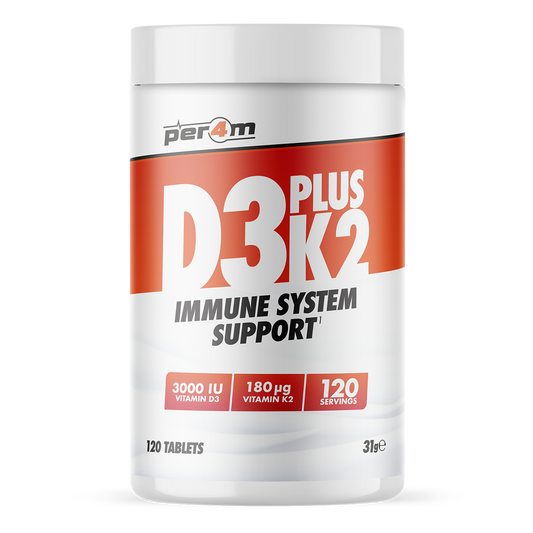
How long does vitamin D take to work?
There isn’t one universal vitamin D timescale: how long it takes for Vitamin D to make an impact depends on your starting levels of the vitamin, the dose you’re taking, how consistent you are with it, and other personal variables.
Correcting low vitamin D levels generally takes weeks or months, not days. If you’re worried about low vitamin D, testing and appropriate advice are more useful than guessing how long a supplement might take to work.
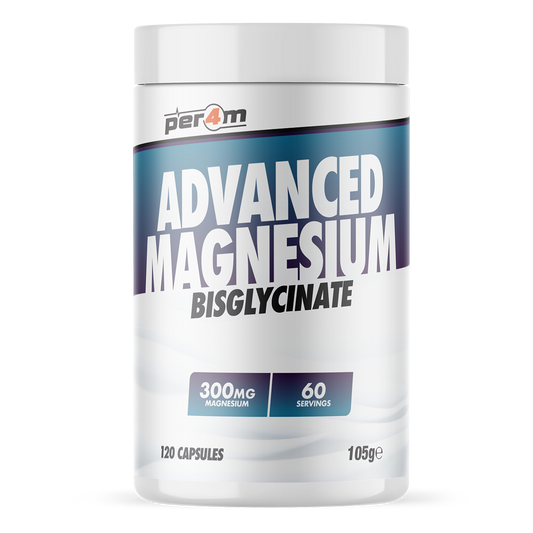
How long do magnesium and omega-3 supplements take to work?
Magnesium isn’t an acute stimulant (like caffeine is) and you won’t get an immediate feeling from it. The question of how long does magnesium take to work is tricky to answer, because it depends on the type of magnesium and the reason you’re taking it.
If your base levels of magnesium are low, then improving your intake can support normal physiological functions, but this won’t necessarily produce an obvious physical sensation.
Similarly, omega-3 isn’t something you notice an immediate effect from. Studies looking at changes in fatty-acid status and their outcomes are assessed over months.
Which supplements can you actually feel the same day?
There’s a big difference between acute, short-term effects and long-term supplementation. A pre-workout containing caffeine should be felt almost immediately, because it needs to work quickly and not last for very long. Supplements that increase your body’s levels of a nutrient usually build up over time, and may never give you a noticeable effect that you can feel.
Feeling something quickly isn’t necessarily proof that a supplement is more effective, and not feeling something doesn’t mean it isn’t doing anything.
Why consistency matters more than taking a bigger dose
Some people think that if they can’t feel a supplement working, that means they need to take more of it. But increasing the dose isn’t the answer. For supplements that usually don’t give you a ‘feeling’ (like omega-3, magnesium, creatine, or collagen) the most important thing is taking the recommended dose consistently.
Consistency and realistic expectations is a far better strategy than regularly changing products. Get into a routine, trust the process, and be patient. Supplements are often working at a deep internal level that you can’t feel. That doesn’t mean they’re not working.
How long should you take a supplement before deciding it works?
Know what’s realistic
Is this supplement supposed to produce an acute effect, change a measurable level, or it is meant to support something over time?
Give it enough time
- Creatine – give it 7-28 days
- Collagen – give it 8-12 weeks
- Vitamin D – give it at least a month
- Magnesium – depends on purpose and baseline
- Omega-3 – you may not feel any sensation
Feeling it isn’t everything
Whether or not you feel a supplement working is not a good judge of efficacy. Many supplements can be working well and never produce a noticeable sensation.
Make a rational decision
That said, if you’ve given a supplement a fair amount of time and aren’t seeing the outcome you wanted or don’t have a clear reason to continue, it’s OK to reassess or stop.
If you’re reviewing your supplement routine, explore the Per4m range to find the supplements that suit your lifestyle. The best supplement routine isn’t the one with the most products, it’s one you can use consistently that supports your goals.
Build a supplement routine you can stick to
Explore the Per4m supplement range across performance and everyday wellness, including creatine, collagen, vitamins, minerals, omega-3 and more.