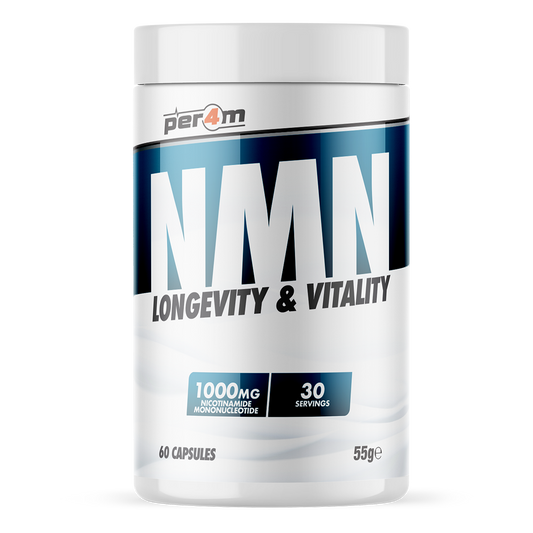
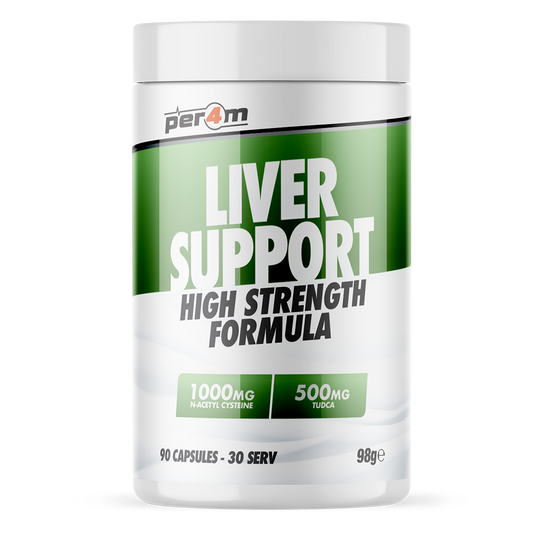
Even with a decent diet, it’s easy to miss the basics. Training load, stress, busy weeks, travel, seasonal sunlight, and food choices all affect what you get consistently. Vitamins and minerals help cover those gaps with simple, measured doses you can take daily, without having to track every meal.
Think of this range as foundations. If you want broad coverage, a multivitamin keeps things simple. If you’ve got a specific focus, you can add targeted options like vitamin D, vitamin C, magnesium, omega-3, or zinc depending on what your routine and diet look like.
Who Vitamins & Minerals are for
This range suits anyone who wants to support consistent nutrition day to day, but it’s especially useful if you:
- Train regularly and want an easy “baseline” routine alongside your protein and performance stack.
- Spend most of your time indoors or live through long winter months.
- Follow a restricted diet, or you’re just not eating a wide variety consistently.
- Want a simple way to support energy, recovery, and general wellbeing without overcomplicating it.
When to take Vitamins & Minerals
Timing depends on what you’re taking, but a few rules make it easy:
Take fat-soluble vitamins with food
Vitamins A, D, E and K are fat-soluble, so they’re generally best alongside a meal that contains some fat. That’s why many people take vitamin D with breakfast or lunch.
Water-soluble vitamins can fit anywhere
Vitamin C and most B vitamins can be taken any time. If you find certain supplements feel heavy on an empty stomach, take them with food and you’re sorted.
Minerals can be better split up
Some minerals can compete for absorption when taken together in high amounts. If you’re stacking multiple single-ingredient products (for example, magnesium plus zinc), spacing them across the day can be a smart move.
Vitamins & Minerals benefits
Support normal body functions
Micronutrients are involved in everything from immune function to muscle function and energy metabolism. You won’t “feel” a vitamin working the way you feel caffeine, but consistency matters because these nutrients support normal physiology in the background.
Cover common gaps
Vitamin D is a classic example. UK public health advice suggests most people consider vitamin D during autumn and winter, because sunlight exposure isn’t reliable and food sources are limited.
Simple routines that are easy to stick to
Capsules and tablets remove the friction. You’re not relying on perfect meals every day, and you’re not guessing amounts. That’s the real win for busy people.
Targeted support when you need it
If you already know what you want to prioritise, you can build a clean stack: for example vitamin D as a daily staple, vitamin C for an immune-focused routine, and magnesium as part of an evening wind-down.
Popular picks
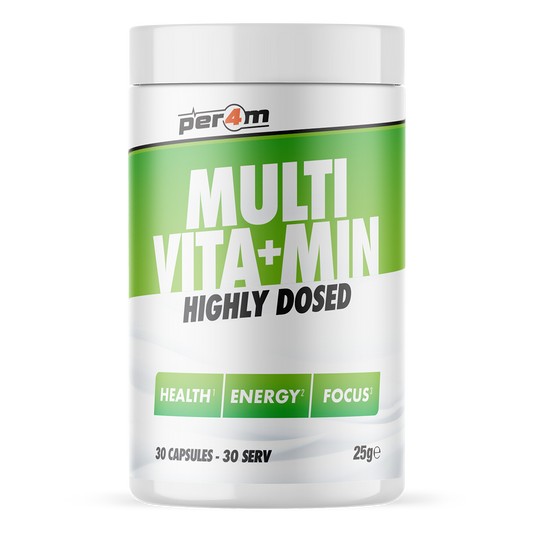
Want all-round coverage without thinking? Multivitamin Capsules are the straightforward daily option when you just want to tick the basics.
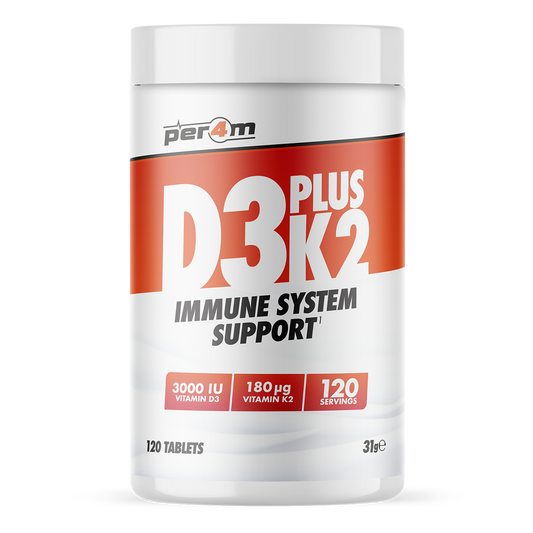
Want a winter staple? Vitamin D3 + K2 is a common choice for people who spend a lot of time indoors or want a simple seasonal routine.
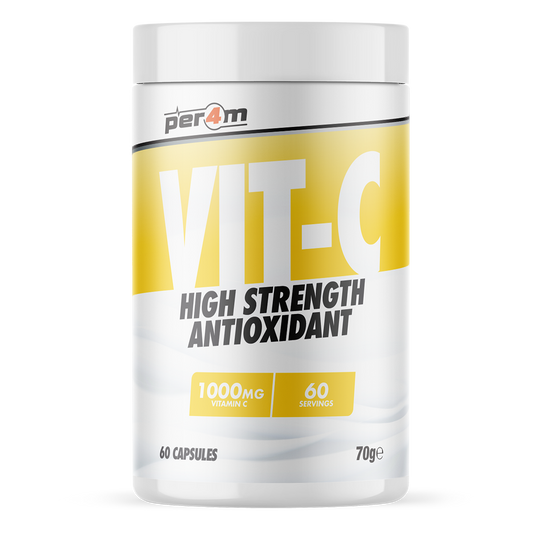
Want a simple immune-focused add-on? High Strength Vitamin C is easy to stack alongside your daily essentials.
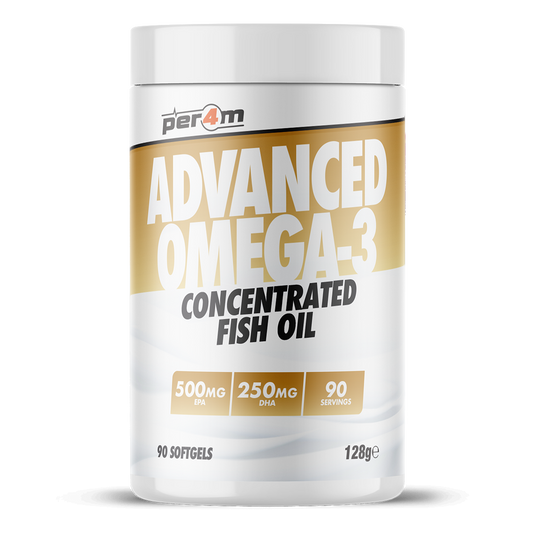
Don’t get much oily fish? Advanced Omega-3 Softgels are a clean way to add omega-3s when diet isn’t consistent.
Want magnesium as a daily staple? Advanced Magnesium Capsules are popular in evening routines, especially when training volume is high.
Want zinc + magnesium in one? Our Zinc & Magnesium Capsules keep it simple if you prefer fewer separate products.
FAQs
What are vitamins and minerals?
They’re essential nutrients your body needs in small amounts to function normally. Vitamins are organic compounds (like vitamins C and D). Minerals are elements (like magnesium and zinc). You get them from food, and supplements help when intake is inconsistent or low.
How do I know what I should take?
Start simple. If you want broad coverage, a multivitamin is the easiest base. If you have a clear reason to add something targeted (for example, winter vitamin D, or magnesium as part of your routine), build from there. If you’re unsure or you have medical conditions, checking with a healthcare professional is the sensible move.
Is it better to take a multivitamin or individual supplements?
A multivitamin is convenience and coverage. Individual supplements are more targeted and can be higher dose for a specific nutrient. Many people use a multivitamin as a base, then add one or two extras that match their lifestyle.
When should I take vitamin D?
Many people take it with a meal, especially in autumn and winter. If you’re taking a D3 + K2 product, pairing it with food is an easy habit that tends to work well for consistency.
Can I take multiple vitamins and minerals together?
Usually yes, but it’s worth avoiding “mega-dose stacking” where you unknowingly double up on the same nutrient across multiple products. If you’re using a multivitamin plus several single-ingredient supplements, quickly check the labels so you know what you’re actually getting.
Should I take vitamins with food?
Often, yes. Fat-soluble vitamins are generally best with meals. Many people also find taking supplements with food feels better on the stomach.
Are tablets, capsules, and softgels different?
Mostly it’s preference and what suits the ingredient. Tablets are compact and often cost-effective. Capsules are easy to swallow. Softgels are commonly used for oils like omega-3.
Authorised nutrition claims:
- Vitamin D contributes to the normal function of the immune system.
- Vitamin D contributes to the maintenance of normal bones and normal muscle function.
- Vitamin C contributes to the normal function of the immune system and contributes to the reduction of tiredness and fatigue.
- Magnesium contributes to a reduction of tiredness and fatigue.
- Zinc contributes to the normal function of the immune system.