EAAs and BCAAs sound similar – both are amino acids, and both are commonly used around training and recovery. So what’s the difference between EAA vs BCAA?
BCAAs are three essential amino acids, while EAAs contain all nine essential amino acids – including those three BCAAs.
That doesn’t automatically mean you need either supplement. If you already eat enough high-quality protein throughout the day, you may already be covering your essential amino acid needs. The useful question is whether EAAs or BCAAs actually add something to your training routine.
What are BCAAs?
BCAAs, or branched-chain amino acids, are three of the nine essential amino acids:
- Leucine
- Isoleucine
- Valine
They’re called “essential” because your body can’t make them, so you need to obtain them through your diet or supplements.
Leucine gets a lot of attention in sports nutrition because it’s involved in triggering muscle protein synthesis, or MPS. This is partly why BCAAs became popular with bodybuilders and gym-goers.
However, muscle protein synthesis doesn’t rely on leucine alone, or even just the three BCAAs. Building and repairing muscle requires the full range of essential amino acids.
What are EAAs?
EAAs, or essential amino acids, are the complete group of nine essential amino acids.
That means EAAs include the three BCAAs – leucine, isoleucine and valine – plus the other six essential amino acids needed to support muscle protein synthesis and recovery.
If your focus is on providing the complete set of essential amino acids, EAAs generally make more sense than supplementing only the three BCAAs.

Are EAAs and BCAAs the same?
Not quite. EAAs contain BCAAs, but BCAAs are only three of the nine essential amino acids found within the EAA group.
This is where a lot of the confusion comes from. EAAs and BCAAs are often compared as though they’re two completely separate categories, when in reality one sits inside the other.
That’s also why some people who previously used standalone BCAAs now choose an EAA supplement instead.
EAAs vs BCAAs: what’s the difference?
The biggest difference isn’t that BCAAs are bad or useless. It’s that EAAs provide a more complete amino acid profile.
BCAAs
- Provide three essential amino acids
- Include leucine, isoleucine and valine
- Form part of the wider EAA group
EAAs
- Provide all nine essential amino acids
- Already include the three BCAAs
- Provide the complete essential amino acid profile
This doesn’t mean everyone automatically needs EAAs in supplement form. If you’re already eating enough protein from foods such as meat, fish, eggs, dairy or quality protein supplements, you’re probably already getting those essential amino acids from your diet.
Does everyone need EAAs or BCAAs?
Context matters. If you’re already hitting your daily protein target and eating a varied range of high-quality protein sources, you may not need an additional EAA or BCAA supplement.
There are, however, situations where EAAs can be a practical way to get essential amino acids in without needing a full meal.
EAAs may be particularly practical if you:
- Train first thing before breakfast
- Have long or demanding training sessions
- Struggle to eat around workouts because of work or travel
- Want a lighter intra-workout drink option
- Have limited protein sources available from food
In those situations, EAAs can provide a convenient way to get essential amino acids in without needing to eat around your session.
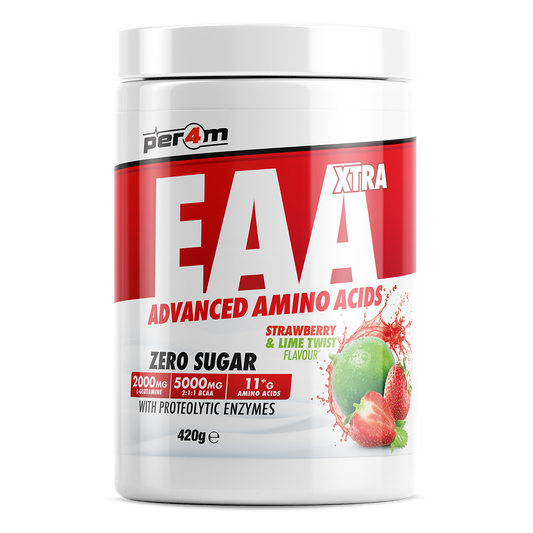
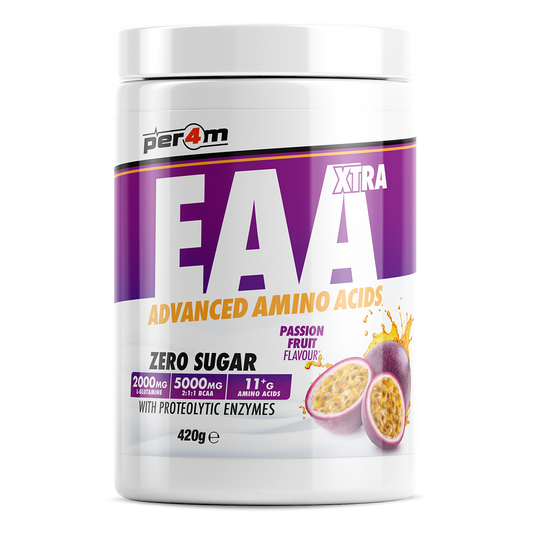
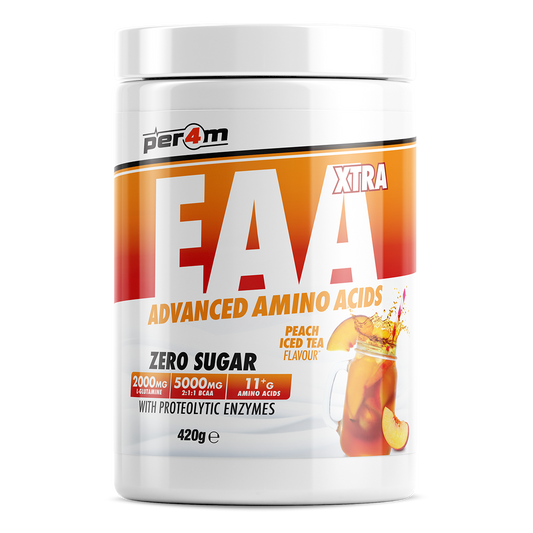
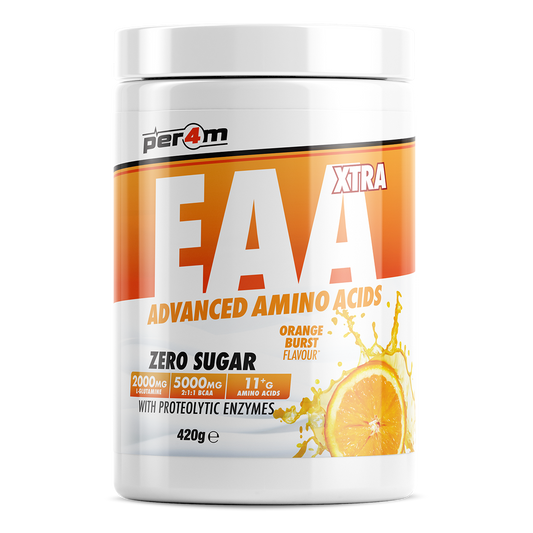
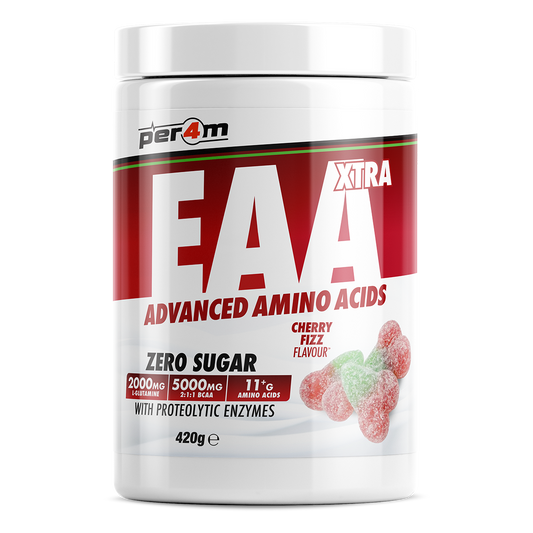
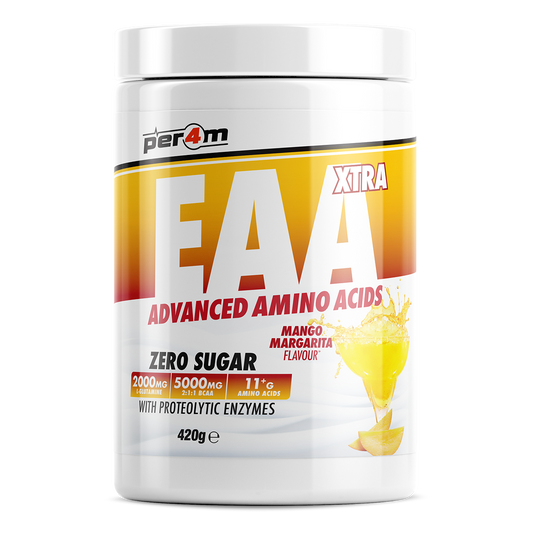
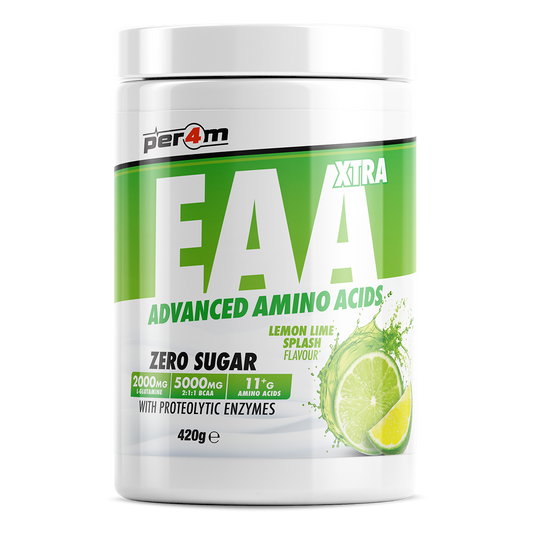
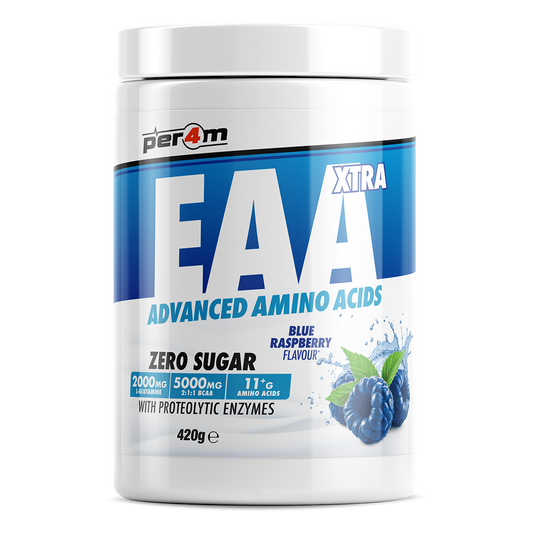
Per4m EAA Xtra provides all nine essential amino acids and already includes 5g of BCAAs per serving, alongside 200mg of glutamine. That means there’s no need to add a separate BCAA product alongside it.
You can also read our guide to the benefits of EAAs for a deeper look at the formula and how EAAs can fit around training.
When are EAAs and BCAAs unnecessary?
Plenty of people don’t need to use an EAA or BCAA supplement. If you’re consistently eating enough protein each day and that protein comes from a reasonable variety of sources, you’re probably already covering your essential amino acid needs.

Complete protein sources already provide all nine essential amino acids, and many people eat a variety of those sources throughout the day.
One exception may be people with more restricted protein choices, whether because of a vegan or vegetarian diet, limited food preferences or another restricted eating pattern.
So if you’re wondering whether you need BCAAs when you already take protein, the answer is probably not. A sufficient intake of complete protein is likely already covering those essential amino acids.
That doesn’t make BCAAs inherently a waste of money. They may simply offer relatively little additional benefit when your overall protein intake is already well covered.
The important principle is to get the foundations right first and then use supplements to fill genuine gaps. Your daily nutrition will usually have a bigger impact than what you sip during a workout.
When should you take EAAs?
If EAAs do suit your routine, timing doesn’t need to be complicated. Two common situations are:
- Before training: particularly for early-morning sessions when you haven’t eaten beforehand
- During training: especially during longer or more demanding sessions
EAAs are there to complement your daily nutrition rather than replace balanced meals or adequate protein intake.
Which amino acid supplement is best?
If you’re choosing between EAA vs BCAA, the distinction is relatively straightforward. BCAAs still have a place, but EAAs contain those same three branched-chain amino acids plus the other six essential amino acids, making them the more complete option.
That doesn’t mean everybody needs an amino acid supplement. If your diet already provides enough high-quality protein, food may already be doing the job.
But if you train fasted, have long sessions, struggle to eat around workouts or simply want something lighter to sip while you train, that’s where an EAA product becomes much more useful.
Why choose Per4m EAA Xtra?
- All nine essential amino acids
- 5g of BCAAs per serving already included
- 200mg of glutamine
- 11 flavours to choose from
- A light option to use around training when eating isn’t practical
For someone who has already covered the basics and wants an amino acid drink around training, Per4m EAA Xtra gives you the complete EAA profile without needing to double up with a separate BCAA supplement.
As with most supplements, the basics still come first. Hit your protein target, train consistently and recover well. Once those foundations are in place, EAAs become much easier to use for the right reasons – and in the situations where they genuinely add convenience to your routine.