Are you sure you’re getting enough protein? You might be surprised. One chicken breast at dinner and a protein shake after training don’t necessarily mean you’re covering your needs across the whole day.
The good news is that true protein deficiency is rare in the UK. However, if you train regularly, it’s still possible to eat less protein than you need for your activity level and goals.
Not eating enough protein can make recovery feel harder, leave you hungry and slow down your progress in the gym. If you’re wondering what the symptoms of low protein intake might look like, here are seven signs worth reviewing – and what to do next.
Why protein intake can be a problem for active people
Protein isn’t just for building big muscles. It’s an essential nutrient involved in maintaining muscle, supporting recovery and contributing to everyday health.
The challenge is that active people generally need more protein than someone who isn’t training. If you’re lifting weights, running, playing sport or trying to lose body fat, sporadic protein intake might not be enough.
Lots of people also overestimate how much protein they’re eating. A protein-rich dinner doesn’t necessarily make up for a low-protein breakfast or lunch.

Is it possible to be protein deficient?
Technically, yes, but true protein deficiency is uncommon in the UK. What’s more likely is that you’re not eating enough protein to properly support your training, recovery and body-composition goals.
Worth checking – not a diagnosis: none of the signs below automatically means your protein intake is too low. They’re non-specific and can have several causes, including poor sleep, stress, illness or not eating enough overall.
Think of them as amber warning signs to review your nutrition rather than reasons to self-diagnose something serious.

1. You’re always hungry
The sign: You finish meals and find yourself looking for snacks an hour later, especially later in the day or after training.
The issue: Protein can help meals feel more filling. If breakfast and lunch contain very little protein, hunger may build as the day goes on.
What to do: Review the protein content of your main meals. Build each one around a quality protein source and see whether it helps you feel fuller for longer.
2. Your recovery feels slower than it used to
The sign: Muscle soreness, stiffness or delayed onset muscle soreness, known as DOMS, lingers into your next session.
The issue: Recovery depends on several factors, including sleep, training volume, hydration and overall nutrition. Protein also plays an important role in supporting muscle repair.
What to do: Before blaming your training plan, make sure you’re including protein throughout the day rather than only after training.
3. Your hair, skin or nails don’t seem their best
The sign: You’ve noticed changes to your hair, skin or nails without an obvious explanation.
The issue: Hair, skin and nails rely on adequate overall nutrition, including protein. However, changes can also be linked to stress, illness, vitamin deficiencies, hormones and medical conditions.
What to do: If the changes persist or seem significant, speak with a healthcare professional. In the meantime, review the overall quality and variety of your diet.
4. Your strength has stalled despite consistent training
The sign: You’re training regularly but haven’t made progress for several weeks or months.
The issue: Plateaus happen and are usually influenced by training quality, recovery, sleep and consistency. Protein intake is just one part of the wider picture.
What to do: If the rest of your training and recovery routine looks solid, check whether your daily protein intake matches your activity and goals.
5. Small cuts or scrapes seem to take longer to heal
The sign: Minor wounds don’t seem to recover as quickly as you’d expect.
The issue: Protein contributes to normal tissue maintenance, but wound healing is affected by many factors, including overall nutrition, circulation and medical conditions.
What to do: If slow healing becomes a regular pattern, don’t rely on nutrition advice alone. Speak with a healthcare professional and make sure your diet is varied and balanced.
6. Your energy levels keep dipping
The sign: You feel flat during the day or struggle to get going before training.
The issue: Low energy isn’t one of the classic signs of protein deficiency. It’s more commonly linked to poor sleep, insufficient calories, dehydration or other health and lifestyle factors. However, meals containing very little protein could be part of a wider pattern of undereating.
What to do: Review your complete eating pattern. Aim for balanced meals containing protein, carbohydrates and healthy fats rather than focusing on one nutrient alone.
7. You’re losing muscle despite training consistently
The sign: You’ve been training hard, but your physique or strength seems to be moving in the wrong direction.
The issue: Muscle loss can happen for several reasons, especially during a dieting phase, after an injury or when training and recovery aren’t properly matched. Not eating enough protein can make maintaining muscle more difficult.
What to do: Make sure your training and nutrition are working together. If you’re dieting, it’s particularly important to pay attention to protein intake alongside your overall calorie intake.
What to do if low-protein diet symptoms sound familiar
If a few of these possible signs sound familiar, don’t immediately panic. Start by finding out how much protein you’re actually eating. Many people discover that their intake is lower than they thought.
Rather than guessing, track a few typical days and compare your intake with your training goals. Our guide to how much protein you need per day explains how to work out a realistic daily target without overcomplicating the maths.

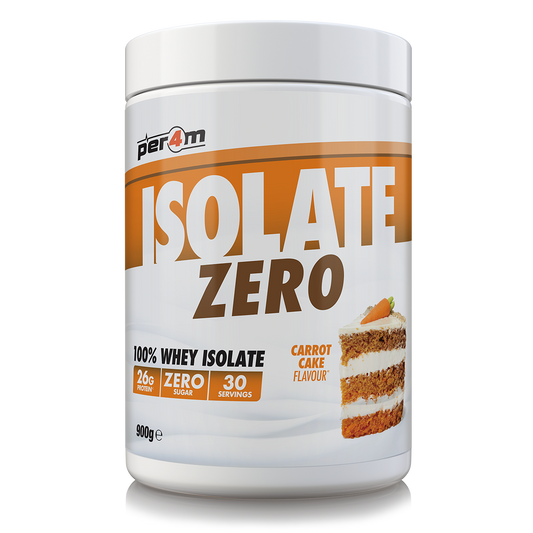
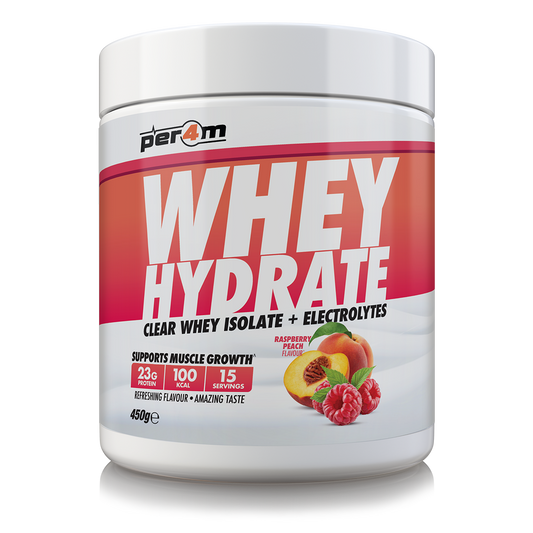
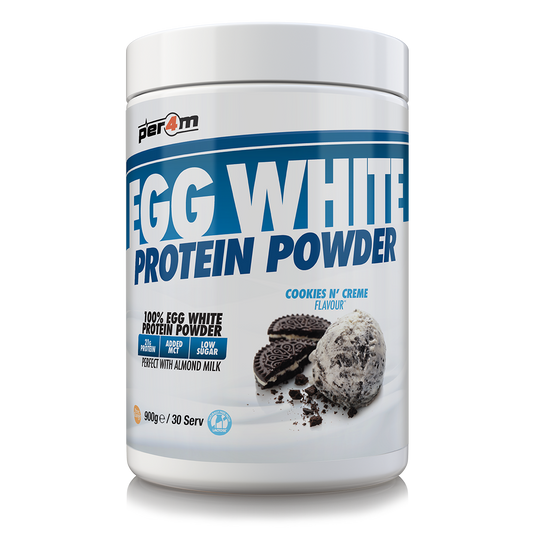
If you’re finding it difficult to hit your target consistently, protein supplements can be a practical option.
Whether you prefer whey protein, plant protein or another format, protein powder and protein shakes can make it easier to increase your intake when wholefood isn’t convenient.
Don’t worry about hitting an exact number every single day. Focus on finding a way of eating that allows you to get roughly enough protein consistently. That matters more than chasing perfect nutrition.