Carbs are often referred to as the body’s preferred source of energy, and carbs before a workout are fuel to support training performance. This is especially significant for longer, harder, or higher-volume sessions.
But the question of how much carbohydrates you need before training depends on the session. A 45-minute weights workout and a two-hour endurance session shouldn’t be fuelled the same way.
Timing matters, too, because the closer to training you eat, the more useful an easily digested carbohydrate source can be.
You don’t need to turn every workout into a nutrition puzzle, but some basic guidelines about carb timing and training can make a big difference to your workouts.
What do carbs do during training?
Carbohydrate (from food or drinks) is broken down into glucose during digestion, and stored as glycogen in the liver and muscle tissue. When you exercise, your muscles need glycogen, and those carbohydrates become an important fuel source. Having carbohydrates before a workout can help support training, especially as intensity or duration increases.
You don’t necessarily need carbohydrates in a pre-workout meal to have a productive session (although plenty of people choose to), but it’s a good idea to consider carbs before long, high intensity, high volume, or endurance workouts.
How many carbs do you need before a workout?
Carbohydrate amounts in a pre workout meal will depend on several factors, including the time of day, the rest of your meals that day, and the type of session. Here’s a useful framework:
Carbohydrate intake for short or moderate sessions
For a typical 45-60 minute gym session, you may not need a dedicated carb meal. Your normal balanced meal a few hours beforehand might be enough. If you haven’t eaten recently, a modest carb snack (a banana, a couple of rice cakes with honey) can top you up.
Carbohydrate intake for a longer or more intense session
Carbohydrates are more relevant before long endurance work, high-volume training, or intense sessions. It can be useful to have more carbohydrates before training, and the amount of carbs should increase with the demands of the session.
Sports nutrition guidance commonly uses a range of 1-4g carbohydrate per 1kg bodyweight 1-4 hours before training (1-4 hours prior) for endurance or performance athletes.

Fast vs slow-digesting carbs: best carbs before training?
The best carbs before training depends on what kind of session you’re doing and the carb timing of your pre-workout meal. The closer you are to your session, the more you need to think about digestion speed, and that’s where fast vs slow-digesting carbs come in.
If you have 2-4 hours between your meal and training, slower-digesting carbs can work. This gives you the option of:
- Potatoes
- Oats
- Pasta
- Bread
- Or a normal mixed meal
If you’re eating 60 minutes or less before training, you don’t want a heavy meal sitting on your stomach. Choose fast digesting carbs and a meal low in fat and fibre. Here are some fast-digesting carb options:
- Cream of rice
- Rice cakes
- Banana
- Honey
How long before training should you eat?
What to eat 3-4 hours before training
- Eat a normal balanced meal (your breakfast or lunch)
- Include protein, some dietary fats, and a slow-digesting carbohydrate
- Add some vegetables for fibre
What to eat 1-2 hours before training
- Eat a smaller, high-carb snack or mini meal
- Minimal fats (this slows digestion)
- Minimal fibre (can cause digestive discomfort)
- Oats, cereal, bagel thins, rice, fruit all good options
What to eat an hour before the gym
- Keep it simple and easy to digest
- Choose simple prep options
- Cream of rice is easy to digest

Need a simple carb option before training?
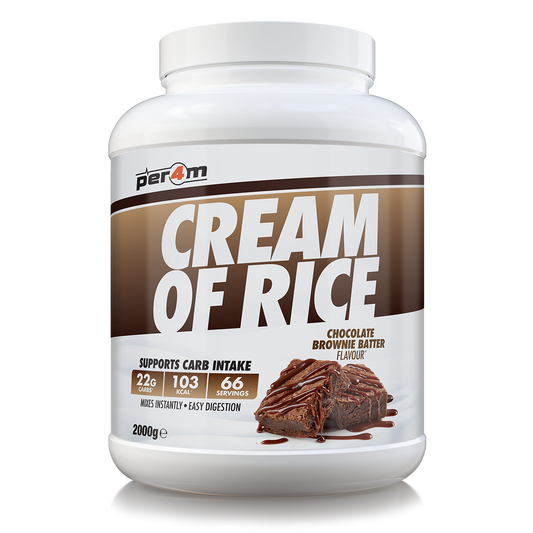
Per4m Cream of Rice is made from finely milled rice for a smooth, porridge-style carb meal. A 30g scoop provides 23g of carbohydrates, and its low-fat, low-fibre format makes it easy to scale depending on how much time you have before training.
Training early? Pre-workout carbs before a morning workout
If you love training early but struggle to know what to eat before the gym, keep it simple. There’s no need to wake up at 5am to prep and eat a full breakfast before 6:30am training.
If you can eat 30-60 minutes before: choose a small portion of easily-digested protein. A small portion of Cream of Rice is ideal, you can even make it the night before.
If you’re someone who eats on the way to the gym, try a banana or two rice cakes spread with honey or jam.
If you really can’t face eating, that’s OK. You can train fasted, but it definitely isn’t superior to training fed. For long or intense sessions, it would help to eat something or use an intra-workout drink containing carbs.
Do you need carbs during a workout?
Most people don’t need to eat or drink carbohydrates during a workout, but there are situations where carbs during training make a big difference to your performance.
For longer or harder sessions, prolonged endurance sessions or very high-volume training, carbohydrates can be really useful. This is where intra workout carbs enter the picture.
Do post workout carbs after training matter?
After training, carbohydrates help replenish glycogen stores, especially when the session was long or intense. What you eat after training becomes even more important if you’re a high-frequency exerciser and will be training the next day (or later the same day).
For most people, the total carbohydrate intake across a day matters more than the detail of what you eat in that post-workout window. If you did a normal gym session, and have a rest day before your next workout, your normal balanced meal will be fine.