Plenty of people have a coffee every morning without fail, so stirring their daily creatine into the same mug feels like an easy win. But is it actually worthwhile, and is it safe?
Here's what happens when you mix the two - plus our tips on how to get a smooth cup.
Can You Put Creatine In Coffee? The Short Answer
Yes, you can. Creatine monohydrate is stable in a normal hot drink, so stirring a scoop into your coffee is a perfectly good way to take it. Just drink it fairly soon after mixing, because creatine dissolves more easily in warm liquid and can start to settle at the bottom of the mug as the coffee cools.
The bigger factor is consistency. Taking it every day keeps the creatine stores in your muscles topped up, and a daily intake of 3-5 g of creatine increases physical performance in successive bursts of short term, high intensity exercise. Once you understand what creatine is and how it works, it's easier to see why taking it daily matters more than what you mix it into.
Does Heat Destroy Creatine? Hot Vs Iced Coffee
Heat doesn't destroy creatine in the time it takes to drink a coffee. When creatine sits in liquid, it slowly breaks down into creatinine, a waste product your body can't use. Warmth and acidity speed that up, but the breakdown happens over hours and days, though, so a cup you finish within ten or fifteen minutes loses very little.
Iced coffee works too. Creatine dissolves less readily in cold liquid, though, so it's more likely to sit as grit at the bottom of the glass. The easy fix is to stir your scoop into a shot of hot espresso or a splash of warm water first, then pour it over ice and top up with milk.
Does Caffeine Cancel Out Creatine? What The Research Says
For most people, no. One early study (Vandenberghe, 1996) found that very high caffeine doses reduced creatine's benefits, but later studies using normal amounts of coffee haven't seen the same effect. If you drink 1–2 cups a day, adding creatine to your coffee is fine. If your stomach is sensitive, take them separately.
How To Add Creatine To Coffee Without It Going Gritty

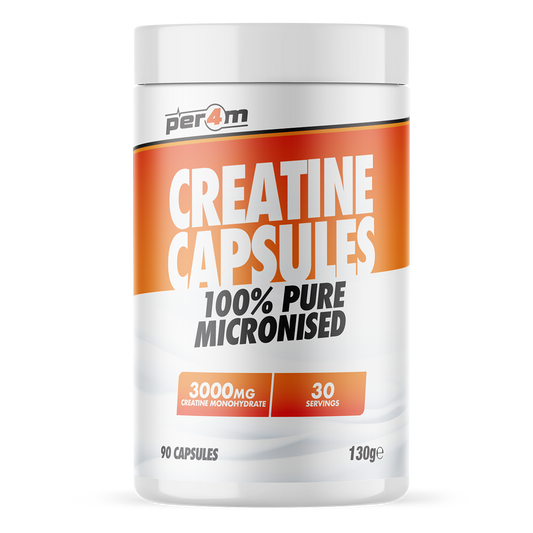
The type of creatine you use makes a noticeable difference here. Standard creatine monohydrate has slightly larger particles, which can leave a sandy layer at the bottom of a mug. Micronised creatine is milled into a finer powder, so it disperses faster and mixes more smoothly into hot drinks.
Our Micronised Creatine is 100% creatine monohydrate in a fine powder, and the unflavoured version is the one to pick for coffee because it won't change the taste of your cup. Our flavoured creatines, like Cherry Fizz and Blue Raspberry, are made for cold drinks, so they're a far better match for your water bottle.
For the smoothest mix:
- Add your scoop to the empty mug first.
- Pour in a little hot coffee and stir until the powder disappears.
- Top up with the rest of your coffee, then add milk if you take it.
- Give it a final stir before the last few sips to pick up anything that's settled.
Best Time To Have Creatine Coffee
Creatine timing matters far less than taking it daily, so the best time is whenever you'll remember. For most people, that makes a morning coffee the obvious choice, since it's already a fixed part of the day.
If you train in the morning, a creatine coffee before your session covers both at once, and plenty of people already use coffee as a pre-training drink. The directions on our Micronised Creatine suggest taking it before or after exercise, and on rest days you can keep going with your usual cup. When it comes to creatine dosage and timing, a steady 3g to 5g every day is the usual guidance.
Caffeine, Fluids And Staying Hydrated Around Training
You might have heard that coffee dehydrates you. In moderate amounts it has very little effect, and the NHS counts tea and coffee towards your daily fluid intake.
Training changes things a little. When you sweat, you lose fluid along with salts like sodium and potassium, and a coffee before your session doesn't replace what you lose during it. Keep a water bottle with you, especially for longer workouts or sessions in a warm gym. Those salts are a big part of why electrolytes matter during long or hot sessions, when you lose more of them.
If you sweat heavily or train for more than an hour, adding one of our electrolyte powders to your water is a simple way to replace some of those salts. Our Hydrate Electrolyte Mix is zero sugar and comes in a big range of flavours, so it fits into the same daily routine as your creatine coffee.
Creatine Coffee Mistakes To Avoid
- Mixing it in advance. Creatine slowly breaks down in liquid, so a flask made at 7am and finished at 3pm won't hold its full dose. Stir it into each cup fresh.
- Stacking caffeine sources. A creatine coffee, a caffeinated pre workout and an energy drink in the same morning can add up quickly, so keep an eye on your total.
- Using a flavoured creatine. Fruity flavours made for cold water won't sit well with coffee, so keep unflavoured creatine for hot drinks.
- Skipping days. Missing creatine on days you don't fancy a coffee makes a bigger difference than any mixing method. If you skip your morning cup, take your scoop with water.
FAQs
Can you put creatine in tea?
Yes. Tea works the same way as coffee, since creatine monohydrate is stable in a hot drink for the time it takes to finish it. Stir it in well and drink it while it's warm, so less of it settles.
Can you put creatine in decaf coffee?
Yes, and it's a good option if you're sensitive to caffeine or want a creatine drink later in the day without it affecting your sleep.
How much caffeine is too much with creatine?
The European Food Safety Authority says up to 400mg of caffeine a day is safe for most healthy adults, and the NHS advises a limit of 200mg a day if you're pregnant. A mug of instant coffee has around 100mg and a mug of filter coffee around 140mg, so one or two cups with your creatine sits comfortably within that range.
Does creatine coffee break a fast?
Unflavoured creatine monohydrate contains no calories, so a scoop in black coffee is unlikely to affect most intermittent fasting routines. Adding milk, sugar or a flavoured creatine with sweeteners or carbohydrates changes that, so check the label of anything else you add.