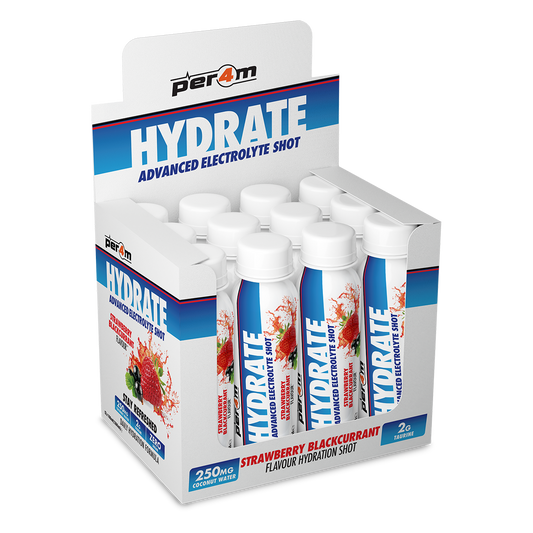
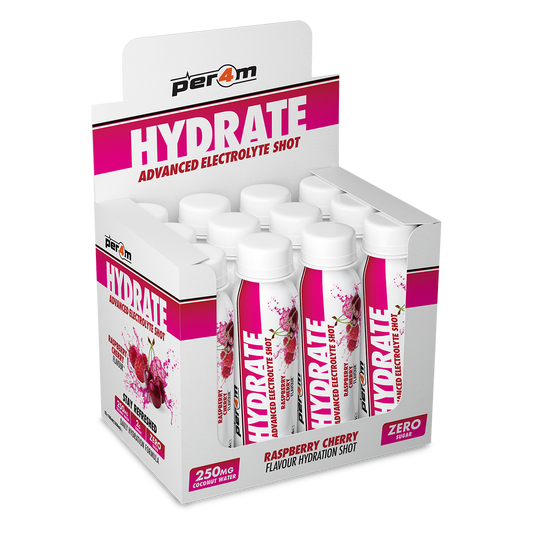
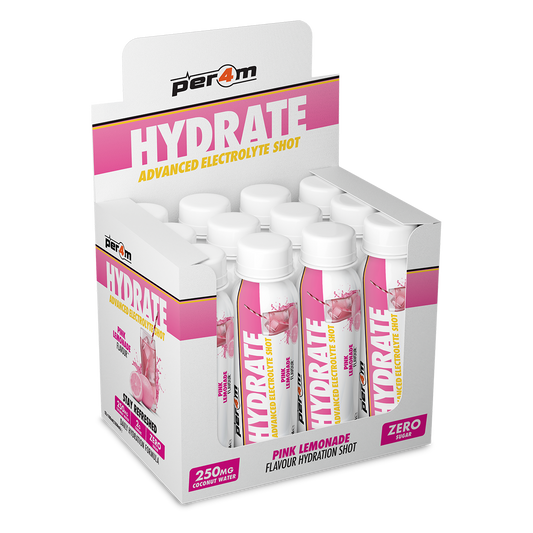
Electrolytes are minerals that help regulate hydration, muscle function and nerve signalling in the body. If you train hard, sweat a lot, or do lots of activity in hot or humid conditions, your electrolyte needs can increase.
The key is understanding when you should take electrolytes. For most shorter or lower-intensity training sessions, plain water is usually enough. But during longer, sweatier training, adding electrolytes can help support hydration, performance, and recovery.
What electrolytes actually do in the body
Electrolytes are essential minerals (meaning the body can’t make them itself), including sodium, potassium, magnesium, and calcium.
These minerals help control:
- Fluid balance
- Muscle contractions
- Nerve function
- Hydration levels
Your body relies on electrolytes all the time, not just during workouts. That’s why asking “what are electrolytes and why do you need them?” isn’t just about sport and training. Electrolytes help your body keep its most important systems functioning normally.
What do the main electrolyte minerals do?
Sodium
Helps regulate fluid balance and hydration.
Potassium
Supports muscle contractions and nerve communication.
Magnesium
Important for muscle function and energy production.
Calcium
Supports muscle contractions and nerve signalling.
Hydration for training and electrolyte needs
During exercise, you lose fluids and minerals through sweat. The harder and longer you train, the more relevant electrolytes usually become. In shorter gym sessions, the loss is often manageable through normal eating and drinking habits. But electrolyte needs increase more during:
- Long endurance sessions (runs, bike rides, or cardio-style workouts)
- Hot-weather training or humidity (abroad or in the UK)
- Hyrox-style events and long Crossfit WODs
- Team sports outdoors and indoors
- Double training days
- Any high sweat-rate sessions
In sessions like these, replacing water without also replacing electrolytes can make it harder to maintain proper hydration and may contribute to decreased performance, fatigue, muscle cramps, stomach discomfort, or poorer recovery.
That’s one reason electrolyte supplements have become popular among endurance athletes and gym-goers training at higher intensity.
Signs you might need more than plain water

Not every tough session automatically requires electrolyte drinks. But some signs suggest you might need more support than water:
- Frequent muscle cramps
- Feeling unusually drained after training
- Heavy salt marks on your clothing
- Feeling flat during endurance sessions
- Headaches after long sessions
- Dizziness during hot-weather training
- Feeling difficult to properly rehydrate with water alone
These signs don’t mean you need complicated hydration protocols. Often, they just mean your fluid and electrolyte intake is not matching your output. Remember, the bigger the sweat loss, the more relevant electrolytes tend to become.
Are electrolytes useful without exercise?

Although training is a major reason to use electrolytes, they are not exclusively for workouts. There are situations where electrolyte supplements can still be useful without formal exercise, including:
- Hot weather
- Long travel days
- Illness-related dehydration
- Festivals or outdoor events
- Busy workdays with poor hydration habits
- Mornings after poor hydration the day before
That said, most healthy people living normal day-to-day lives don’t need to sip electrolyte drinks constantly. Hydration supplements are tools, and the goal is supporting your body on those days when your hydration demands are higher.
Are electrolyte supplements worth it?
Not all electrolyte products are built the same. Some are designed mainly for endurance sport performance, sweat replacement, or to work alongside high-carb refuelling. Others focus more on daily hydration, with lower calories and tasty flavours.
Electrolyte powders
These mix with water to create an enjoyable drink. They’re good for:
- Flexible dosing
- Adding to water bottles
- Longer training sessions
- Everyday hydration support
Ready-to-drink options
These are already mixed, and are convenient for:
- Travel
- On-the-go use
- Post-workout hydration
Tablets and sachets
Electrolyte tablets or sachets are portable, easy to carry, and especially useful for endurance training, races, or travelling to hot countries where sweat loss might be higher.
What to look for in an electrolyte supplement
A decent hydration supplement should usually include:
- Sodium
- Potassium
- Magnesium
Some products also include ingredients like taurine to support hydration and endurance.
The biggest thing worth checking is sugar content and overall purpose. Some electrolyte drinks are essentially sugary energy drinks, and others are designed specifically for fluid and electrolyte support without excessive calories.
Do you need electrolytes for workouts?
For some people, electrolyte supplements are definitely worth having on hand. The best approach is matching your hydration support to your training demands. If your training involves long sessions, heat or humidity, endurance work, multiple sessions in a day, or high sweat loss then electrolytes can help support hydration and performance.
Do I need electrolytes?
Electrolytes are important in some scenarios, because hydration is about more than water. Electrolyte minerals help regulate fluid balance, muscle function, training performance, and recovery - especially for harder or longer training sessions where you lose more sweat.
The key is keeping your hydration practical, not overcomplicated. If you want a convenient option for training hydration, a tasty electrolyte mix with sodium, potassium and magnesium can make staying properly hydrated much easier – especially if the flavour is great.