If you want to get stronger, improve gym performance, or support muscle growth over time, creatine monohydrate is one of the best supplements you can consider. It has been a staple in sports nutrition for years, and for good reason. It is simple, well researched, easy to use, and genuinely useful.
That said, not everyone needs to rush out and buy it.
The better question is this: does creatine actually fit your goals, your training, and the level of effort you are already putting in?
What Is Creatine Monohydrate?
Creatine is a naturally occurring compound found in your body, mainly in your muscles. You also get small amounts from foods like red meat and fish. Its main role is to help your body produce quick energy during short, intense bursts of effort.
Creatine monohydrate is the most widely used form, and it is also the one with the strongest body of research behind it. When people talk about creatine in the gym world, this is usually what they mean.
How Does Creatine Work?
At the simplest level, creatine helps your body produce energy more efficiently during hard efforts.
Your muscles rely on ATP for quick energy. The problem is that ATP runs out fast when you are lifting heavy, sprinting, or pushing through repeated explosive efforts. Creatine helps your body replenish that energy source more quickly, which can make a real difference in training where power, output, and repeated effort matter.
That is why creatine tends to make the most sense for things like:
- resistance training
- sprint work
- explosive sports
- functional fitness
- repeated high intensity sessions
So no, it is not just a “bodybuilding supplement”. It is relevant to anyone whose training demands short bursts of force and effort.
What Are the Main Benefits of Creatine Monohydrate?
It can help support strength and power
This is one of the biggest reasons people use creatine. If your training involves trying to lift more, push harder, or improve output over time, creatine can support that type of performance really well.
It is not magic, and it does not replace hard training, but it can help you get more quality out of the work you are already doing.
It can support muscle growth over time
Let’s be clear here. Creatine does not build muscle on its own.
What it can do is help support better training performance, and better training performance often helps drive better long term results. If you are training properly, recovering well, and eating enough protein, creatine can absolutely earn its place in that routine.
Some people also notice their muscles look a bit fuller when they start taking creatine consistently. That is usually down to more water being held within the muscle, not body fat gain.
It suits repeated hard training
Creatine really shines when training is intense and consistent. If you are doing hard gym sessions several times a week, following a programme, and actually trying to progress, it makes much more sense than it does for someone just dabbling now and then.
It is easy to use
This matters more than people think.
A lot of supplements sound impressive but end up being awkward, overhyped, or inconsistent in real life. Creatine is the opposite. It is easy to take, easy to understand, and easy to keep in.
That alone is a big part of why it has stayed relevant for so long.

Who Should Consider Taking Creatine?
Creatine monohydrate is a strong option for people who want to:
- build strength
- improve gym performance
- support muscle growth
- get more from repeated high effort sessions
- keep their supplement routine simple and effective
If you train seriously and want something proven, practical, and easy to use, creatine is one of the first places worth looking.
Who Might Not Need It Yet?
This is where a lot of supplement blogs go off the rails. They try to turn every product into a must have.
If your training is inconsistent, your diet is a mess, your protein intake is poor, and your recovery is all over the place, then creatine is not the main issue. The basics still matter more.
That does not mean creatine is not useful. It just means it works best when it is supporting a solid routine, not trying to rescue a weak one.
Will Creatine Make You Gain Weight?
Sometimes, yes, but not in the way people usually worry about.
Creatine can increase water stored within the muscle, so some people notice a small change on the scale when they start taking it consistently. That is not the same as gaining body fat, and it is one reason muscles can look a bit fuller while using it.
So if someone says creatine made them “gain weight”, the real question is what kind of weight they mean.
Do You Need a Loading Phase?
Not really.
Some people choose to load creatine, but for most people it is not necessary. A simple daily dose taken consistently is usually the more practical option. It is easier to stick to, easier to remember, and far less hassle.
And honestly, that is the better test for most supplements anyway. If it is awkward to keep up, people stop taking it.
How Much Creatine Should You Take?
For most people, 3 to 5g per day is the standard approach.
You do not need to get fancy with it. The biggest factor is consistency. Taking it every day matters far more than obsessing over tiny details.
When Should You Take Creatine?
The honest answer is that timing is not the thing to stress about.
Before training, after training, with breakfast, later in the day, it really does not matter much if you are taking it consistently. The best time is the time you will actually remember and stick with.
That is why a lot of people keep it tied to an existing habit, whether that is a morning shake, a post workout drink, or part of their daily supplement routine.
Is Creatine Safe?
Creatine monohydrate is one of the most heavily studied supplements in sports nutrition, which is a big part of why it remains so widely used. For healthy adults using it appropriately, it is generally considered one of the most established and dependable options out there.
Of course, if you have any medical concerns or an existing health condition, it makes sense to speak to a qualified professional before adding any supplement.
That is not exciting advice, but it is the sensible one.
So, Should You Use Creatine Monohydrate?
If you train hard, care about progress, and want a supplement that is simple, proven, and genuinely worth using, then yes, creatine monohydrate is absolutely worth considering.
It is not a shortcut. It will not outwork poor training or bad nutrition. But if your foundations are in place, it is one of the strongest additions you can make to your routine.
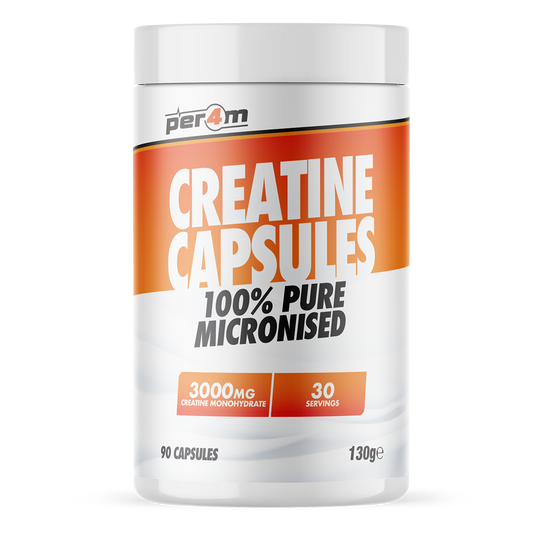
If you want to keep things simple, Per4m Micronized Creatine. is an easy place to start, and if you want to compare options you can browse the wider creatine collection.