Training in your 40s is a different level of challenging. If you’ve always trained, it can be frustrating to see progress slow down even though your drive is still there. If you’re new to training, starting in your 40s might feel like an uphill struggle. The best approach to building muscle after 40 is a smart focus on protein, recovery, and the impact of anabolic resistance.
What changes about building muscle after 40?
Muscle doesn’t suddenly disappear when you turn 40. The basics still apply: resistance training, nutrition, recovery, and progressive overload. But the processes involved in maintaining and building muscle gradually become less favourable with age. This is true for men and women, elite athletes and beginners.
The good news is that there is plenty you can do both in and out of the gym to keep things on your side for as long as possible, so you can reap the rewards of muscle tissue, bone density, cardiovascular health, and body confidence.
Anabolic resistance and strength training
Eating protein (from foods or protein powder) provides the body with amino acids. Resistance training stimulates muscle protein synthesis. As we get older, muscles get less responsive to the amino acids in protein. This is known as anabolic resistance. To understand what this means for you in everyday terms, we first need to revisit how protein supports muscle.
How protein for over 40s can change
Your body doesn’t stop using protein as you get older. Protein is still digested and absorbed. The issue is more about how muscle tissue responds to the stimulus. Older people still absorb protein, but absorption isn’t the same as muscle response.
This is compounded by the fact that healthy eating habits can slide over the years, and our protein intake may be much lower in our 40s and 50s than it was in our 20s.

Protein intake for building and keeping muscle after 40
If you’re curious about how much protein you need after 40, use this opportunity to brush up on the basics (even if you were a protein-fiend in your younger years). When we’re younger, it’s fine to think about total protein intake across the day. As we get older, daily protein intake still matters, but as anabolic resistance increases with age, there’s a strong case for protein per meal for older adults.
Protein for over 40s: per meal or per day?
Daily protein gives you the overall amount of protein your body can use. But if you’re interested in maximising muscle protein synthesis, you should focus on how that total protein is distributed across your meals.
Why does this matter? As we get older and busier, it can be easy to slip into suboptimal nutrition habits. If someone has a protein-rich dinner, but gets very little protein at breakfast and lunch, their distribution is less than ideal even though the total looks fine on paper.

How to spread protein intake across the day
Take your target daily protein intake, and divide it by the number of meals or significant snacks you eat. This gives you a meaningful protein dose to aim for.
For example, if your target intake is 120g and you eat breakfast, lunch, dinner, and two snacks:
- Breakfast: 30g
- Lunch: 30g
- Dinner: 30g
- Morning snack: 15g
- Afternoon snack: 15g
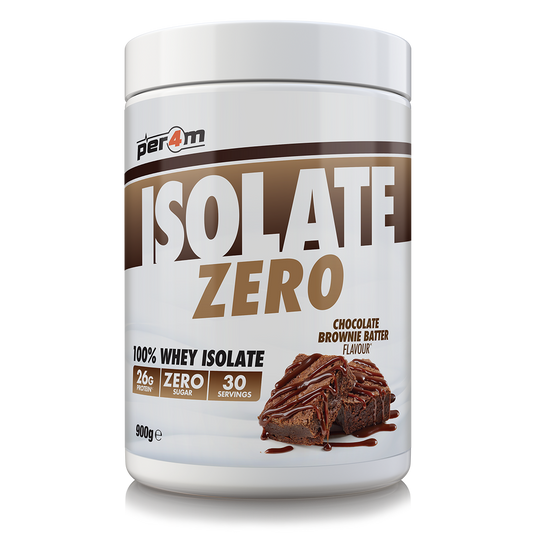
Think about which of your meals are usually lowest in protein, and aim to add more there. That might be eggs on toast (not just toast) for breakfast, or replacing ham with sliced chicken breast in your lunch wrap. Protein shakes are always a quick and convenient way to get 25-30g protein between meals.
Make everyday protein easier
Per4m Advanced Protein Blend combines five protein sources with 20–21g of protein per serving, a smooth texture and easy mixing with water or milk. It’s made as an everyday protein option when getting more protein into your routine needs to be simple and taste good.
What’s more important, resistance training or protein?
Resistance training is the main stimulus for muscle adaptation, and protein provides the amino acids needed to support muscle protein synthesis and recovery. Could you build and retain muscle with just training or protein? Possibly, but you really need both, especially as maintaining muscle gets more challenging with age.
Why resistance training is vital for muscle after 40
All the elements of resistance training that matter for younger people also matter for muscle after 40: progressive overload, training frequency, consistency, and sufficient training volume.
There’s no magic number for how often to lift weights after 40. The frequency will depend on your training age, experience, recovery capacity, and personal schedule. A good number to aim for is 3-5 sessions per week, but a plan you can actually do consistently is more important.
Do you need creatine after age 40
Creatine works via the phosphocreatine energy system, and can support performance during bursts of intense exercise. Creatine for over 40s is the same as at any age: take it regularly and don’t worry about what time of day you take it.
Turning 40 doesn’t automatically cause you to need creatine, but creatine remains one of the more evidence-backed supplements that can support strength and muscle.
How creatine supports muscle after 40
Resistance training remains the main stimulus of muscle growth and maintenance, but creatine can support your ability to train with enough intensity to provide that stimulus. Better training capacity can lead to strength and muscle development over time.
If you’re going to use creatine, the big win is taking it consistently. Micronised powder is there for people who prefer to mix creatine into drinks, while creatine capsules give you a no-mixing format for people who find capsules easier to build into their routine.
Micronised Creatine
100% pure creatine monohydrate in a straightforward powder format. Mix your serving into water or juice and make it part of your regular training routine.
Creatine Capsules
3000mg of pure micronised creatine monohydrate per serving in a convenient capsule format. No mixing or measuring required.

How to build a strength training plan 40+
Strength training in your 40s should use progressive overload, train all the major muscle groups, and focus on compound exercises with isolation movements as accessories.
Aim for 3-5 sessions a week with enough recovery time between sessions, and remember that a plan you can stick to is better than an impressive-sounding one you can’t actually do.
Here are some options you could consider:
- 3 days a week: do full body workouts
- 4 days a week: do push/pull or upper/lower
- 5 days a week: push/pull/legs/push/pull
Your best bet is asking a qualified PT or an experienced friend who’s also over 40 to help you with a realistic, enjoyable training plan that you’ll do consistently. Support this with protein spread throughout the day, good recovery, and decent sleep, and you should be able to build and maintain muscle, and enjoy the benefits as you get older.
After 40, you don’t need a completely new approach to building and maintaining muscle. You need to be more deliberate about the fundamentals: resistance training, total protein intake, and how you get that protein throughout the day.