The question of how much protein do I need can be answered pretty clearly, depending on your body weight and your goal. Daily protein definitely doesn’t need to be complicated – so let’s get into it.
For most active people, a good daily protein target sits somewhere between 1.6–2.2g of protein per kilogram of bodyweight. This range works well whether your goal is building muscle, maintaining muscle while losing fat, or supporting recovery and performance.
You don’t need bodybuilder-style meal plans to get this right. Most people just need a realistic target and a structure that helps them spread protein throughout the day.
How to work out how much protein per day
Protein requirements are not one-size-fits-all. Your protein intake depends on your bodyweight (heavier bodies need more of everything, including protein), activity level, and training goal.
Someone training four times a week and trying to build muscle usually needs more protein than someone who is mostly sedentary.
The easiest way to calculate protein is by using bodyweight.
- How much protein do I need for maintenance: 1.4–1.8g protein per kg bodyweight
- How much protein do I need to lose fat: 1.8–2.2g protein per kg bodyweight
- How much protein do I need to build muscle: 1.6–2.2g protein per kg bodyweight
How much protein do you need by goal?
Muscle gain
For protein to build muscle, a good target is usually:
- 1.6–2.2g per kg bodyweight
This supports recovery, muscle repair, and muscle growth from training. Once your protein needs are covered, more protein is not automatically better and won’t translate into extra muscle mass.
Fat loss
If your question is how much protein do I need to lose fat, the answer is usually “more than you think”, especially to keep muscle while dieting. Aim for:
- 1.8–2.2g per kg
A higher protein intake helps preserve muscle mass during a fat loss phase and can help you feel fuller (useful when you’re in a calorie deficit).
Maintenance
For general performance and recovery without a major physique goal, aim for:
- 1.4–1.8g per kg
This range will help you preserve muscle and stay healthy.
Simple protein targets by bodyweight
If you already know your weight, here’s a beginner’s guide to protein per day.

60kg person
- Maintenance: 85–110g
- Muscle gain: 95–130g
- Fat loss: 110–130g
70kg person
- Maintenance: 100–125g
- Muscle gain: 110–155g
- Fat loss: 125–155g
80kg person
- Maintenance: 115–145g
- Muscle gain: 130–175g
- Fat loss: 145–175g
90kg person
- Maintenance: 125–160g
- Muscle gain: 145–200g
- Fat loss: 160–200g
These aren’t magic numbers, but they are a useful and realistic range that will work well for most people.
How to calculate your daily protein intake
If maths is not your favourite thing before breakfast, here’s the easiest method to work out your daily protein intake.
Step 1: Know your bodyweight
Use kilograms where possible.
Step 2: Pick your protein range
For example, “protein for building muscle” = 1.6–2.2g per kg.
Step 3: Quick maths
If you weigh 75kg: 75 × 1.8 (the middle of that range) = 135g protein daily.
Just remember that you don’t need to hit an exact number every day. Consistency over time matters far more than worrying about a few grams either way.
Best way to get enough protein grams per day
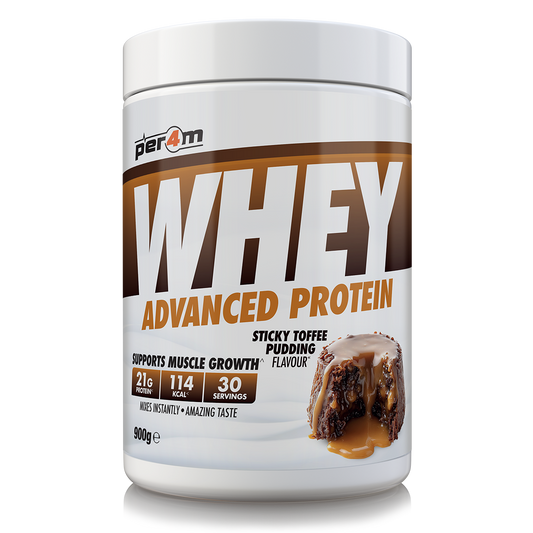
Before we move on to food guidelines for protein, we should clarify something about those numbers. 135g protein (from the example above) doesn’t mean 135g of the food itself. It means 135g of the macronutrient protein. For example, a 30g scoop of whey protein powder has about 21g protein, and 100g raw chicken has about 23g protein.

Tips to hit protein macros every day
- Include protein in every meal (not just main meals)
- Have go-to protein meals (like porridge with whey for quick breakfasts)
- Build meals around protein first so it’s not an after-thought
- Keep convenient protein options to hand – store cupboard, fridge, freezer
- If you’re a fan of batch cooking, freeze protein meals for busy days
Some of the easiest high-protein foods include:
- Chicken
- Eggs
- Real Greek yoghurt (not Greek style) and Skyr
- Lean beef
- Fish and seafood (fresh and canned)
- Cottage cheese
- Protein shakes
- Beans and pulses
Getting enough protein on a vegan or plant-based diet is totally possible, but needs a little more thought. There aren’t many vegan foods that are purely protein (like eggs or meat are). Beans, pulses, and lentils are good sources of protein but also contain carbohydrates. Factor this in when you’re building out your meals.
Food vs shakes: what counts
Both whole foods and protein shakes count toward your daily protein target.
Whole foods offer:
- More fullness (because of the fibre and volume)
- A wider range of micronutrients
- Better meal variety
Protein shakes are great for:
- Convenience
- Easy protein intake around training
- Yummy flavours!
Protein powder is not “better” than food, it’s just practical when you’re busy, you don’t feel like cooking, or hitting your protein target from whole food alone feels difficult. It also makes things like protein porridge possible!
Mistakes that make protein targets harder to hit
Skipping protein at breakfast
Starting the day with almost no protein makes catch-up harder later. Try protein porridge, real Greek yoghurt with berries and granola, or eggs on toast.
Assuming protein shakes replace meals
Protein shakes help you hit your macros, but having the knowledge and skill to make proper meals is important for your health. If you struggle with time in the mornings, meal shakes are a quick and easy way to get 25g protein before you start your day.
Overcomplicating protein
You do not need perfect meal timing or to-the-gram protein targets to get this right. You mainly need good habits and consistency.
Protein myths and FAQs
“Protein damages your kidneys”
In healthy individuals, higher protein diets are generally considered safe.
“You can only absorb 30g of protein”
Your body still digests and uses protein above 30g. It’s a good idea to spread protein out throughout the day, but you can have more than 30g in one meal.
“You need protein immediately after training”
Post-workout protein can help recovery, but total daily intake matters far more than the immediate post-training window.
How much protein per day
Most active people do well with between 1.6–2.2g of protein per kg bodyweight depending on their goal. Start with a realistic target, spread protein across the day, and focus on getting protein from meals and snacks you enjoy.
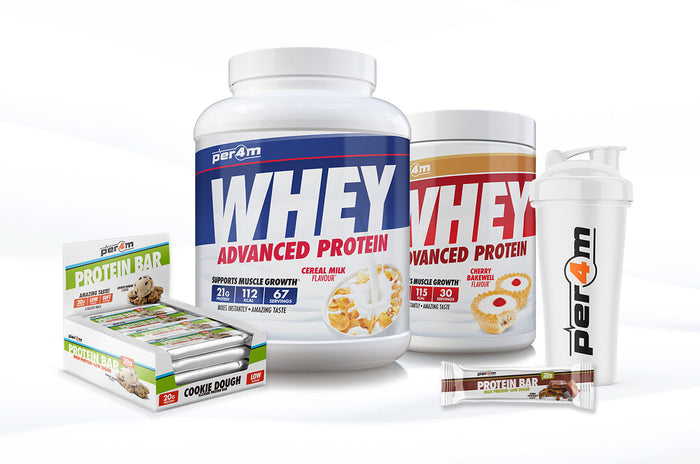
And if hitting your daily protein target feels difficult, protein powders, protein bars and high-protein snacks can help make it easier – and taste great!