Creatine is one of the most well-researched supplements around, with so many benefits for strength training, muscle support, performance, and increasingly for cognitive health. But despite all the research, outdated creatine myths around bloating, kidney damage, and water retention still put some people off.
Let’s look at which creatine side effects are worth paying attention to and how to get the most out of creatine for training and daily life.
Does creatine have side effects?
Creatine is naturally found in foods like red meat and fish, and your body already stores it to help produce quick energy for high-intensity exercise, which is why it’s become one of the most popular supplements for:
- Strength and power
- Muscle performance
- Recovery
But creatine research has expanded far beyond the gym. Recent studies are also exploring how creatine helps with:
- Cognitive performance
- Brain energy metabolism
- Mental fatigue
- Sleep deprivation
- Healthy ageing
Creatine can have side effects, but probably not the ones your Mum sends you memes about. The side effects most commonly reported are:
- Temporary water retention
- Associated weight fluctuation
- Stomach discomfort
- Mild bloating
The main thing to understand is that many creatine side effects are linked to how people take it – aggressively loading, or swallowing huge scoops dry (yes, that’s a thing).
What creatine side effects are common?
Water retention
Creatine helps pull water into muscle cells. That’s partly how it can improve performance and help muscles look fuller. Some people notice a temporary increase in body weight during the first couple of weeks, but it’s intracellular water - inside the muscle – not fat gain.
Bloating
Many people experience no bloating or digestive issues at all, but if you do it’s usually because you’ve taken too much too quickly. Just take a small daily dose, splitting servings throughout the day, stay hydrated, and be consistent to help improve tolerance and comfort over time.
Stomach discomfort
If someone says creatine “didn’t agree with them”, it’s often because they were using low-quality creatine or not drinking enough water to help digestion. If you suffer from stomach issues anyway, micronised creatine might be a good shout (it’s often easier on the digestion).
Creatine side effect myths

The internet loves a dramatic supplement story, and poor old creatine has been cast as the villain for years.
Does creatine damage kidneys?
This is one of the oldest creatine myths. In healthy people, research shows creatine at recommended doses doesn’t appear to damage kidney function. The confusion partly comes from the fact that creatine can increase creatinine levels - but creatinine is a by-product of creatine metabolism.
That said, people with pre-existing kidney conditions absolutely should speak to a healthcare professional before using creatine.
Does creatine cause hair loss?
The creatine hair loss myth exploded after one study suggested creatine may increase levels of DHT - a hormone linked to male pattern baldness. However, the study was very small, and hair loss wasn’t actually measured as part of the study. Later studies have shown no direct link between creatine supplements and hair loss.
Is creatine bad for your liver?
Again, current evidence in healthy adults doesn’t support the idea that creatine at standard doses harms the liver. Most horror stories come from extreme high doses, existing medical conditions, or unrelated health issues blamed on creatine. Creatine is naturally found in food and in your body, and it’s one of the most heavily-researched supplements ever.
Creatine water weight, bloating and stomach issues explained
Why water weight happens
Creatine pulls extra water inside muscle tissue. That’s part of the mechanism that supports training performance and muscle fullness. Some people love this look but others might feel uncomfortable.
Why does creatine make me feel bloated?
Bloating from creatine is more common if you do a high-dose loading phase or you’re prone to digestive sensitivity. Splitting doses or using micronised creatine often helps.
Stomach issues on creatine
Most stomach problems are dose-related. You don’t need large amounts of creatine – 3-5g daily is plenty.
Popular creatine myths explained
Some creatine myths contain a grain of truth that gets blown out of proportion.
“Creatine makes you look puffy”
It can do (temporarily), but there’s a difference between intramuscular water retention (inside the muscle) and subcutaneous water retention (under the skin). Most people notice their muscles looking fuller rather than soft.
“You need to cycle creatine”
There’s currently no evidence that adults need to cycle on and off creatine. An initial loading phase can saturate creatine stores faster, but it’s optional. Many people prefer a steady daily intake to minimise digestive discomfort or temporary water retention.
“Creatine only works for bodybuilders”
This is really outdated. Creatine is widely used across sport from strength and sprint to team sport and combat sport. But more importantly, research shows that creatine has significant benefits for cognitive performance, mental fatigue, healthy ageing, and brain energy support. It’s definitely not just a bro supplement (we don’t gatekeep!).
What type of creatine is best?
Flavoured creatine
Flavoured creatine monohydrate can help you stay consistent, because its delicious flavour makes it easy to remember your daily dose. We have 8 fruity flavours to choose from!
Unflavoured micronised creatine monohydrate
Our unflavoured micronised creatine can be added to things like protein shakes, pre-workouts, intra-workouts, or smoothies that already have flavour.
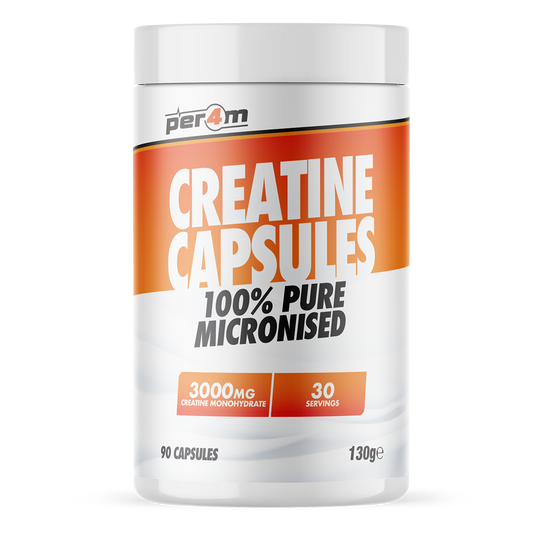
Creatine capsules
Creatine capsules are useful for convenience or travelling, or to avoid the fuss of mixing your creatine with water.
Best ways to take creatine
Should creatine be drunk straight away?
If you’re mixing creatine powder with liquid, it’s best to drink it soon after mixing. This is because creatine slowly breaks down into creatinine over time after being added to liquid, particularly if it’s left sitting for several hours, and this happens more quickly in acidic liquids like fruit juice.
Adding creatine to water
- Simple
- Easy daily habit
- Good for hydration
- Choose a flavour you love
Adding creatine to intra-workout drinks
- Convenient
- Supports hydration during workouts
- Make sure your intra-workout doesn’t contain creatine
Mixing creatine with protein shakes
- Easy post-workout option
- Unflavoured creatine blends in
- Great if you have a protein shake every day
When creatine dose is the real problem

The majority of creatine side effects are down to dosage. People sometimes think more is better, but this can lead to bloating and stomach issues.
For performance and general supplementation, around 3-5g daily creatine monohydrate is most commonly used.
Some studies and protocols have explored higher daily intakes, depending on the application and desired benefits.
Should you speak to a professional before using creatine?
While creatine is considered safe for healthy adults, it’s worth getting professional advice if:
- You have kidney disease
- You have liver conditions
- You take medications affecting kidney function
- You have any chronic medical conditions
- You’re pregnant or breastfeeding
- Younger athletes unsure about supplementation
What are the side effects of creatine?
Creatine is one of the most studied supplements in sports nutrition, and has so many benefits for different demographics (not just the gym). If you’re ready to find your favourite creatine, check out our creatine page.