Ashwagandha has gone from niche herbal ingredient to one of the most talked-about supplements in wellness, but a lot of people are still not sure what it actually does. In simple terms, ashwagandha is a plant extract commonly used as an adaptogen, which means it may help the body manage stress and support general balance.
The reason interest has grown is because research around certain ashwagandha benefits - stress support, recovery and wellbeing - is stronger than many people originally thought. That said, it is not a magic supplement, and it’s important to keep expectations realistic. Let’s get into it.
What is ashwagandha?

Ashwagandha is a herb traditionally used in Ayurvedic practices, made from the roots and leaves of the Withania somnifera plant.
Today, it is most commonly found in the form of capsules, powders, gummies, and other stress-support supplements.
What does ashwagandha adaptogen mean?
Ashwagandha is classed as an adaptogen. These are ingredients thought to help the body adapt to stress and maintain balance under pressure.
That doesn’t mean ashwagandha makes stress disappear overnight. Instead, the interest comes from its potential to support how the body responds to physical and mental stress.
When people ask about ashwagandha, they usually want to know whether it is:
- A calming supplement
- A hormone support ingredient
- A performance supplement
- A sleep aid
The reality is that it sits somewhere across these categories, depending on the context and the person using it.
Why do people use ashwagandha?
Most people take ashwagandha as a stress support supplement, for supporting sleep quality or recovery from training, or just for improving overall wellbeing.
Some gym-goers use it because chronic stress can impact recovery, and poor recovery can indirectly affect energy levels, training performance, motivation, and training consistency. This is partly why ashwagandha has become popular inside and outside fitness spaces.
Ashwagandha benefits explained properly
Stress and relaxation support
This is where the strongest interest in ashwagandha lies. Some research suggests ashwagandha may help lower perceived stress levels and help the body regulate stress responses more effectively. People who want to know is ashwagandha good for stress may end up taking it as part of their wider stress-management routine.
Sleep and recovery
Ashwagandha is not a sleeping tablet, but some users report it helps them feel relaxed which has a positive impact on recovery and energy. Studies have also shown that participants with insomnia who took ashwagandha extract showed improvements in sleep quality.
Exercise and performance support
Some studies have explored possible links between ashwagandha and strength training, endurance, recovery, and exercise adaptation. The evidence is still developing, but it’s one reason the ingredient has become more common in sports supplements.
General wellbeing
Many people use ashwagandha because they say they feel better during stressful periods when taking it.
What is the strongest evidence about ashwagandha?
The evidence about ashwagandha appears strongest and most consistent around stress support, perceived stress, cortisol response, and mood support.
Social media sometimes positions ashwagandha as a supplement that fixes anxiety, boosts testosterone, or transforms sleep. The actual evidence is more balanced than that.
Yes, ashwagandha may support stress management and overall wellbeing, but it works best alongside good sleep hygiene, sensible training levels, healthy nutrition, and recovery habits.
When to take ashwagandha and what to expect
One of the questions around ashwagandha timing is whether it should be taken morning or night. Either can work, so choose the one that you are likely to remember to do.

Common dosage
Ashwagandha dosage varies by goal, but most advice suggests between 300-600 milligrams (mg) per day. Standardised extracts, which contain specific amounts of the active compound withanolides, only need to be taken in smaller amounts than the raw root powder itself which needs higher amounts for comparable effects.
Morning use
Some people prefer taking it earlier in the day for general stress support, and as part of their daily routine.
Evening use
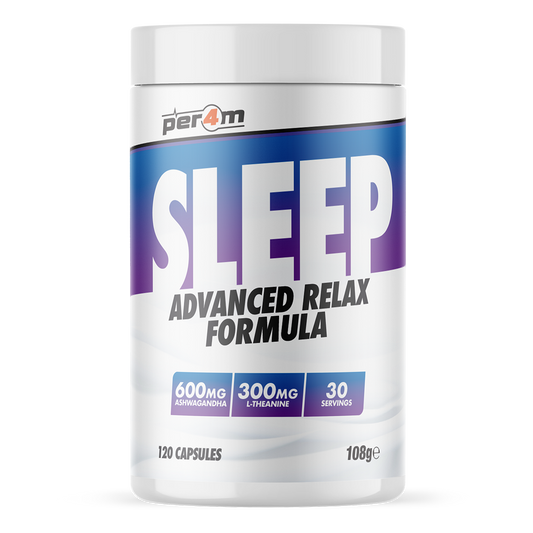
Others take it later in the day because they feel it fits better with their evening wind-down routine as a sleep support product.
What should you expect?
Ashwagandha isn’t something people usually feel immediately. People who notice benefits from ashwagandha describe them as a gradual feeling of coping better with stress, improved sleep quality, general recovery, and a sense of calm.
Who may want a more cautious approach?
Although ashwagandha is widely used, natural herbal ingredients still affect the body. Some people should take a more cautious approach and speak to a healthcare professional before using it.
This includes people who:
- Are pregnant or breastfeeding
- Take medication for mood or thyroid conditions
- Have underlying medical conditions
- Are managing hormone-related conditions
- Are sensitive to supplements affecting mood or relaxation
Ashwagandha FAQs
What does ashwagandha do for the body?
It may help support stress response, recovery and overall wellbeing, particularly during periods of higher physical or mental stress.
Is ashwagandha a sedative?
No, it’s not designed to work like a sleeping tablet or strong calming medication, but research supports a positive impact on relaxation and sleep quality.
When should you take ashwagandha?
Most people take it either morning or evening with food. Consistency matters more than exact timing.
Is ashwagandha only for gym-goers?
Not at all, many people use it for stress support and general wellbeing.
Is ashwagandha good?
Ashwagandha has become more popular because the whole conversation around stress and wellbeing has increased. The strongest evidence around ashwagandha benefits relates to stress support and helping the body manage periods of physical or mental strain. Beyond that, some people use it to support recovery, sleep quality and general wellbeing.
Ashwagandha isn’t a miracle cure or overnight transformation, but some people find it can become a useful part of their stress and recovery routine.
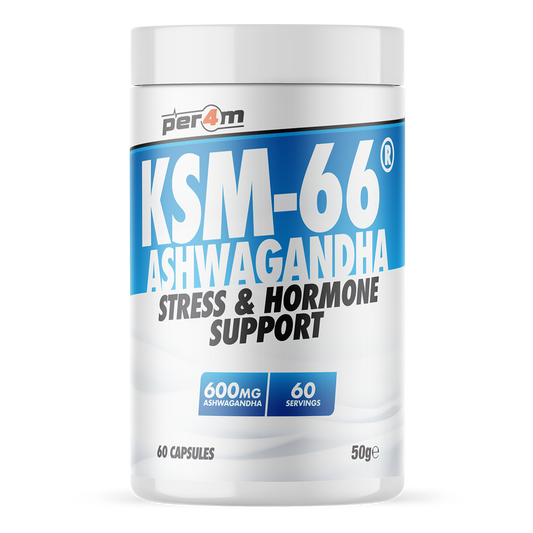
If you’re thinking about trying it, KSM-66 Ashwagandha is one of the more widely researched forms – ours is in capsule form for convenient daily use.